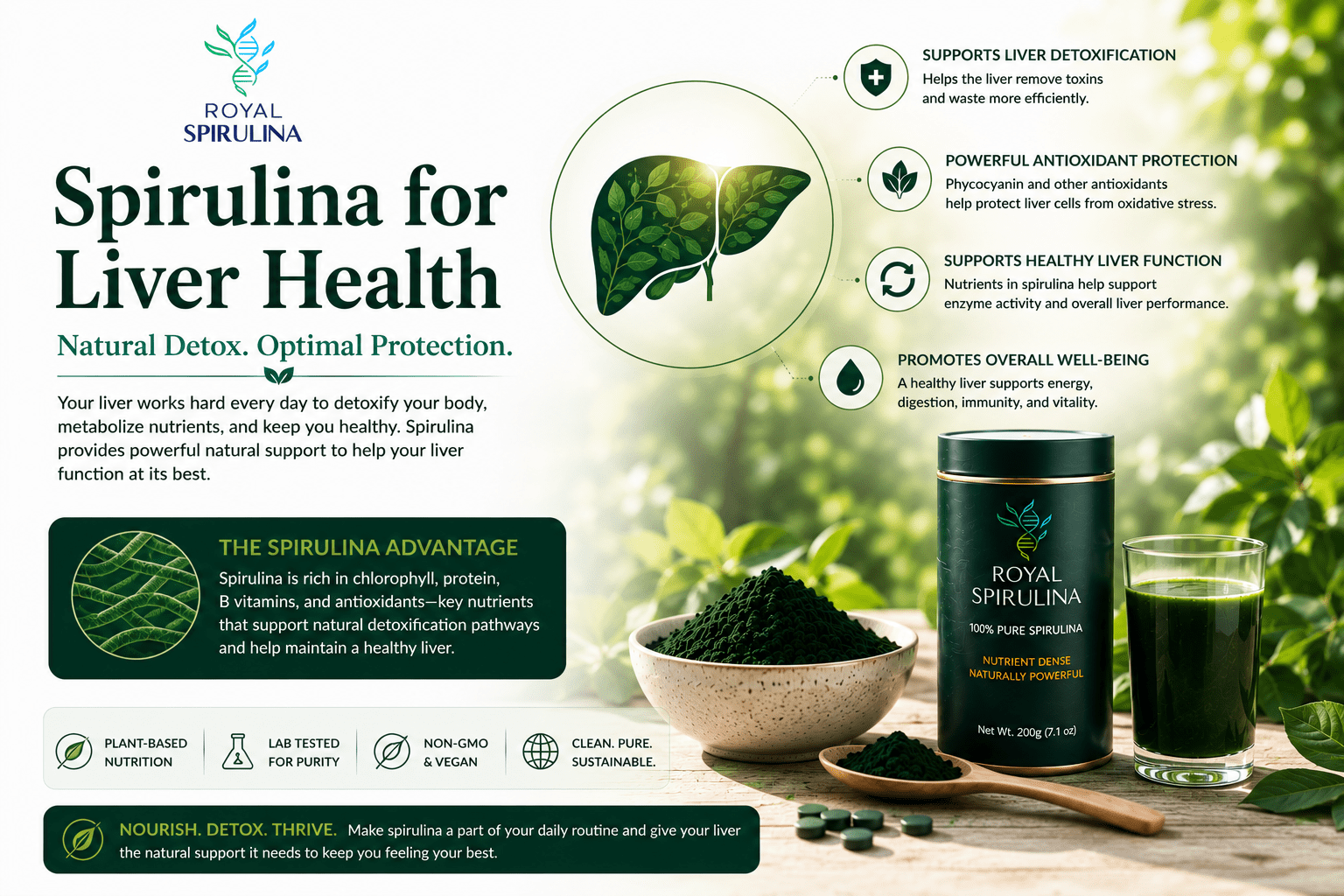
Spirulina for Liver Health: NAFLD, Fatty Liver & Detox (2026)
Non-alcoholic fatty liver disease (NAFLD) has quietly become the most common chronic liver condition on the planet. Current estimates suggest that 25 to 30 percent of adults worldwide now carry excess fat in their liver cells — a figure that climbs above 50 percent among people with obesity or type 2 diabetes. In the United States alone, NAFLD affects roughly 80 to 100 million people, making it more prevalent than any other chronic liver disorder.
What makes NAFLD particularly alarming is that it often progresses silently. Many people have no symptoms until significant damage has already occurred. The disease can advance from simple fat accumulation (steatosis) to inflammatory non-alcoholic steatohepatitis (NASH), fibrosis, and eventually cirrhosis or liver cancer. Despite decades of research, no pharmaceutical drug has received full FDA approval specifically for NAFLD or NASH as of 2026 — leaving patients and clinicians searching for effective interventions.
This therapeutic gap has fueled intense scientific interest in natural compounds that can protect and restore liver function. Among the most promising candidates is spirulina, the blue-green microalga that has been consumed as a food source for centuries. Over the past decade, a growing body of research — including human clinical trials — has demonstrated that spirulina for liver health is far more than folk medicine. Studies show it can reduce liver enzymes, decrease hepatic fat accumulation, combat oxidative stress, suppress inflammation, and improve insulin sensitivity — all critical factors in NAFLD progression.
In this comprehensive guide, we examine the scientific evidence behind spirulina’s liver-protective properties, explore the specific mechanisms through which it works, review the most important clinical studies, and provide practical guidance on dosage and supplementation. Whether you are managing a fatty liver diagnosis or simply looking to support your liver’s detoxification capacity, the research on spirulina offers compelling reasons to pay attention.
What Is Non-Alcoholic Fatty Liver Disease (NAFLD)?
Non-alcoholic fatty liver disease is defined as the accumulation of excess fat (more than 5 percent of liver weight) in the liver cells of people who drink little or no alcohol. Unlike alcoholic liver disease, NAFLD develops in the absence of significant alcohol consumption, and it is driven primarily by metabolic dysfunction.
The Stages of NAFLD Progression
NAFLD exists on a spectrum of severity, and understanding these stages is essential for grasping why early intervention matters:
Stage 1 — Simple Steatosis (Fatty Liver): Fat accumulates in liver cells (hepatocytes), but there is minimal inflammation or cell damage. This stage is generally considered reversible with lifestyle changes. Most people at this stage have no symptoms and are unaware of the condition.
Stage 2 — Non-Alcoholic Steatohepatitis (NASH): The liver becomes inflamed, and hepatocytes begin to swell and die (a process called ballooning). NASH is a more serious condition because chronic inflammation triggers fibrosis — the formation of scar tissue. Approximately 20 percent of people with simple steatosis progress to NASH.
Stage 3 — Fibrosis: Persistent inflammation leads to the accumulation of scar tissue around the liver and its blood vessels. The liver can still function relatively normally at this stage, but the damage is becoming harder to reverse.
Stage 4 — Cirrhosis: After years of ongoing inflammation and scarring, the liver becomes severely scarred and shrunken. Cirrhosis significantly impairs liver function and can lead to liver failure, portal hypertension, and hepatocellular carcinoma (liver cancer). At this stage, a liver transplant may be the only option.
Risk Factors for NAFLD
The primary risk factors for NAFLD are closely tied to metabolic syndrome:
- Obesity — particularly visceral (abdominal) obesity
- Type 2 diabetes and insulin resistance
- Dyslipidemia — elevated triglycerides and LDL cholesterol, low HDL cholesterol
- Sedentary lifestyle and poor dietary habits (high sugar, high refined carbohydrate intake)
- Genetic predisposition — certain gene variants (such as PNPLA3) increase susceptibility
- Gut microbiome dysbiosis — imbalances in gut bacteria that promote inflammation and metabolic dysfunction
Given these risk factors, it is not surprising that the global NAFLD epidemic is growing in lockstep with the obesity and diabetes pandemics. This is precisely why researchers have turned to spirulina — a nutrient-dense superfood with a unique combination of antioxidant, anti-inflammatory, and metabolic-regulatory properties that address multiple NAFLD pathways simultaneously.
Key Studies: Spirulina and NAFLD
While the majority of research on spirulina for liver health has been conducted in animal models, several important human studies have provided direct clinical evidence. The results are encouraging and consistent across studies.
Mazokopakis et al. 2014 — The Landmark Human Pilot Study
The most significant human trial to date on spirulina and NAFLD was conducted by Mazokopakis and colleagues in Crete, Greece, and published in the Turkish Journal of Gastroenterology in 2014 (PMID: 25331487). This open-label pilot study enrolled 15 patients with biopsy- or ultrasound-confirmed NAFLD who were not taking any lipid-lowering or hepatoprotective medications.
Participants received 6 grams of spirulina per day for 6 months. The results were striking across multiple liver and metabolic markers:
- ALT (alanine aminotransferase) decreased by 37.5% — ALT is the primary marker of liver cell damage
- AST (aspartate aminotransferase) decreased by 38.5% — another key liver damage indicator
- GGT (gamma-glutamyl transferase) decreased by 26.7% — a marker of bile duct damage and oxidative stress
- Triglycerides decreased by 24.8% — elevated triglycerides are a hallmark of NAFLD
- Body weight decreased significantly
- HOMA-IR (insulin resistance index) decreased by 19.6% — insulin resistance is a central driver of NAFLD
These reductions are clinically meaningful. A 37–38 percent drop in liver enzymes indicates substantial reduction in hepatocyte damage, while the improvement in insulin resistance addresses one of the root causes of fat accumulation in the liver. The authors concluded that spirulina supplementation may serve as a complementary treatment approach for NAFLD patients.
Ferreira-Hermosillo et al. 2010 — Ultrasound-Confirmed Improvements
An earlier case series by Ferreira-Hermosillo and colleagues, published in the Journal of Medical Case Reports (PMID: 20370930; DOI: 10.1186/1752-1947-4-103), documented the effects of spirulina supplementation in 3 patients with NAFLD. Participants received 4.5 grams of spirulina per day for 3 months.
All three patients showed improvements on liver ultrasound, suggesting a reduction in hepatic fat content. Liver enzymes also improved. While the small sample size limits the generalizability of this study, it provided early human evidence that spirulina can produce measurable changes in liver fat accumulation — not just blood markers — within a relatively short treatment period.
Summary Table: Key Human and Comparative Studies on Spirulina and Liver Health
| Study | Subjects | Dose / Duration | Key Findings |
|---|---|---|---|
| Mazokopakis et al. 2014 | 15 NAFLD patients (human) | 6 g/day for 6 months | ALT ↓37.5%, AST ↓38.5%, GGT ↓26.7%, TG ↓24.8%, HOMA-IR ↓19.6% |
| Ferreira-Hermosillo et al. 2010 | 3 NAFLD patients (human) | 4.5 g/day for 3 months | Improved liver ultrasound findings, reduced liver enzymes |
| Fujimoto et al. 2012 | NASH mouse model | Spirulina-enriched diet | Comparable to pioglitazone in reducing hepatic steatosis, inflammation, and fibrosis |
| El-Boghdady et al. 2020 | Rat model (NAFLD) | Spirulina supplementation | Activated AMPK, downregulated SREBP-1c, reduced hepatic lipid accumulation |
| Karimzadeh et al. 2024 | Animal model | Spirulina extract | Improved lipid profiles, reduced oxidative stress markers, hepatoprotective effects |
| Zedan et al. 2025 | Animal model | Spirulina supplementation | Activated Nrf2/HO-1 pathway, reduced oxidative liver damage |
How Spirulina Protects the Liver
One of the most compelling aspects of spirulina for liver health is that it does not rely on a single mechanism. Instead, spirulina addresses NAFLD through at least four distinct but interconnected biological pathways. This multi-target approach may explain why its effects in clinical studies have been so broad — simultaneously improving liver enzymes, lipid profiles, insulin resistance, and body weight.
1. Antioxidant Protection: The Nrf2/HO-1 Pathway
Oxidative stress is a central driver of NAFLD progression. When fat accumulates in liver cells, it disrupts mitochondrial function and generates excessive reactive oxygen species (ROS). These free radicals damage cell membranes, proteins, and DNA, triggering the transition from simple steatosis to the more dangerous NASH.
Spirulina is one of the most potent natural activators of the Nrf2/HO-1 antioxidant defense pathway. Nrf2 (nuclear factor erythroid 2-related factor 2) is a transcription factor that serves as the master regulator of the cellular antioxidant response. When activated, Nrf2 translocates to the nucleus and upregulates the expression of dozens of protective enzymes, including heme oxygenase-1 (HO-1), superoxide dismutase (SOD), catalase, and glutathione peroxidase.
A 2025 study by Zedan and colleagues (PMID: 40900828; DOI: 10.3389/fphar.2025.1610793) demonstrated that spirulina supplementation significantly activated the Nrf2/HO-1 pathway in liver tissue, resulting in reduced oxidative damage markers and improved hepatic antioxidant enzyme activity. This finding is particularly important because Nrf2 activation has been identified as a therapeutic target for NAFLD by multiple pharmaceutical research programs.
The antioxidant effects of spirulina are largely attributed to its unique pigment phycocyanin, as well as its high concentrations of beta-carotene, zeaxanthin, and superoxide dismutase. Liu et al. (2020) showed that phycocyanin, spirulina’s signature blue pigment, provides substantial antioxidant protection to liver cells specifically (PMID: 32739742; DOI: 10.1016/j.biopha.2020.110553). We explore phycocyanin’s liver benefits in detail in a dedicated section below.
2. Anti-Inflammatory Effects: NF-kB Suppression
Chronic low-grade inflammation is the bridge between simple fatty liver and the progressive damage seen in NASH. The NF-kB (nuclear factor kappa-light-chain-enhancer of activated B cells) signaling pathway is the master switch for inflammatory gene expression. When NF-kB is chronically activated — as it is in NAFLD — it drives the production of pro-inflammatory cytokines such as TNF-alpha, IL-6, and IL-1 beta, which perpetuate liver damage and fibrosis.
Spirulina has been shown to powerfully suppress NF-kB activation. A comprehensive review by Couee and colleagues (2019), published in Nutrients (PMID: 30669332; DOI: 10.3390/nu11010194), documented how spirulina and its bioactive compounds inhibit NF-kB signaling, reduce circulating inflammatory cytokines, and attenuate inflammatory cell infiltration in liver tissue. This anti-inflammatory action is critical because it addresses the mechanism by which simple steatosis progresses to NASH and fibrosis.
The anti-inflammatory effects of spirulina work synergistically with its antioxidant properties. Oxidative stress activates NF-kB, and NF-kB activation generates more oxidative stress — creating a destructive feedback loop. By interrupting both sides of this cycle simultaneously, spirulina can break the chain of progressive liver damage more effectively than compounds that target only one pathway.
3. Lipid Metabolism Regulation: The AMPK Pathway
At its core, NAFLD is a disease of disordered lipid metabolism. Too much fat enters or is synthesized in the liver, and not enough is exported or burned. Spirulina has been shown to correct this imbalance through multiple mechanisms centered on the AMPK (AMP-activated protein kinase) signaling pathway.
AMPK is often called the body’s metabolic master switch. When activated, AMPK stimulates fatty acid oxidation (fat burning) and inhibits lipogenesis (fat synthesis). In NAFLD, AMPK activity is typically suppressed, leading to unchecked fat production and accumulation in liver cells.
El-Boghdady and colleagues (2020) demonstrated that spirulina supplementation activated AMPK and downregulated SREBP-1c (sterol regulatory element-binding protein 1c) in a NAFLD model (PMID: 32795119; DOI: 10.1089/met.2019.0129). SREBP-1c is a transcription factor that drives the expression of genes involved in fatty acid and triglyceride synthesis. By suppressing SREBP-1c through AMPK activation, spirulina effectively turns down the liver’s fat-production machinery.
More recently, Karimzadeh et al. (2024) confirmed and extended these findings, showing that spirulina extract improved lipid profiles, reduced hepatic lipid accumulation, and decreased oxidative stress markers through modulation of lipid metabolism pathways (PMID: 39601973; DOI: 10.1007/s12010-024-05089-w). The study highlighted spirulina’s ability to simultaneously reduce triglyceride synthesis, increase fatty acid oxidation, and improve cholesterol metabolism — a comprehensive correction of the metabolic derangements underlying NAFLD.
For more on spirulina’s effects on lipid metabolism, see our guide to spirulina for heart health and cholesterol.
4. Gut Microbiome Improvement
The gut-liver axis — the bidirectional communication between the gut and the liver via the portal vein — has emerged as a critical factor in NAFLD development and progression. Dysbiosis (imbalance) of the gut microbiome can increase intestinal permeability (“leaky gut”), allowing bacterial endotoxins (particularly lipopolysaccharide, or LPS) to reach the liver and activate inflammatory cascades.
A 2024 study by Fakhoury-Sayegh and colleagues, published in Nutrients (PMID: 38892633; DOI: 10.3390/nu16111701), investigated the effects of spirulina supplementation on the gut microbiome and found significant positive changes in microbial composition. Spirulina promoted the growth of beneficial bacterial populations while reducing potentially harmful species associated with inflammation and metabolic dysfunction.
These prebiotic effects may be driven by spirulina’s unique polysaccharide content, including calcium spirulan and immulina, which serve as substrates for beneficial gut bacteria. By improving gut barrier integrity and reducing the flow of inflammatory molecules to the liver, spirulina’s gut microbiome effects add another layer of hepatoprotection beyond its direct antioxidant and anti-inflammatory actions.
Spirulina vs. Pioglitazone: A Surprising Comparison
One of the most remarkable findings in spirulina liver research came from Fujimoto and colleagues in a 2012 study published in Digestive and Liver Disease (PMID: 22444524; DOI: 10.1016/j.dld.2012.02.002). The researchers compared the effects of spirulina supplementation with pioglitazone — a prescription thiazolidinedione drug used to treat type 2 diabetes and studied extensively as a potential NASH treatment — in a well-established mouse model of NASH.
The results were striking: spirulina was comparable to pioglitazone in reducing hepatic steatosis (fat accumulation), liver inflammation, and fibrosis. Both treatments effectively attenuated the hallmarks of NASH, suggesting that spirulina’s multi-pathway mechanism of action can achieve outcomes similar to a targeted pharmaceutical intervention.
This comparison is especially significant because pioglitazone, while effective for NASH in some studies, carries notable side effects including weight gain, fluid retention, increased fracture risk, and a potential (though debated) association with bladder cancer. These side effects have limited its clinical adoption for NASH treatment. Spirulina, by contrast, has an excellent safety profile at typical supplementation doses and offers additional health benefits beyond liver protection, including cardiovascular support, immune modulation, and antioxidant defense.
It is important to note that this was an animal study, and direct equivalence in humans cannot be assumed. However, when considered alongside the positive human trial data from Mazokopakis et al. and Ferreira-Hermosillo et al., the Fujimoto study strengthens the case for spirulina as a serious candidate for NAFLD management — not merely a supportive supplement, but a potentially therapeutic intervention.
Phycocyanin: Spirulina’s Liver-Protective Blue Pigment
While spirulina contains many bioactive compounds, phycocyanin — the blue pigment-protein complex responsible for spirulina’s characteristic blue-green color — has emerged as the single most important compound for liver protection. Phycocyanin is unique to cyanobacteria like spirulina and is not found in any common food source, making spirulina the only practical dietary source of this powerful molecule.
Research has demonstrated that phycocyanin protects the liver against a wide range of damaging insults. Its hepatoprotective effects extend well beyond NAFLD to include protection against radiation, ischemia-reperfusion injury, alcohol-induced damage, and drug-induced toxicity. To learn more about phycocyanin’s broader health benefits, visit our comprehensive guide on blue spirulina and phycocyanin benefits.
Radiation-Induced Liver Damage Protection
Liu et al. (2020) conducted a detailed investigation of phycocyanin’s protective effects against radiation-induced liver damage (PMID: 32739742; DOI: 10.1016/j.biopha.2020.110553). The study demonstrated that phycocyanin significantly reduced liver cell apoptosis (programmed cell death), decreased oxidative stress markers, and preserved liver architecture following radiation exposure. The protective mechanism involved activation of antioxidant defense systems and suppression of the mitochondrial apoptosis pathway. This finding has important implications not only for radiation therapy patients but also for understanding how phycocyanin protects hepatocytes under various forms of oxidative stress — including the oxidative stress seen in NAFLD.
Ischemia/Reperfusion Injury Protection
Hepatic ischemia-reperfusion (I/R) injury occurs when blood flow to the liver is temporarily interrupted and then restored — a common scenario during liver surgery, transplantation, and certain cardiovascular events. The restoration of blood flow paradoxically causes a surge of oxidative stress and inflammation that can severely damage liver tissue.
Gdara and colleagues (2018) demonstrated that phycocyanin pretreatment significantly protected the liver against I/R injury (PMID: 29558716; DOI: 10.1016/j.biopha.2018.03.025). Phycocyanin reduced markers of liver damage, decreased lipid peroxidation, preserved antioxidant enzyme activity, and attenuated inflammatory cell infiltration. These findings suggest that phycocyanin could be valuable as a preconditioning agent before liver surgery and as a general hepatoprotective supplement.
Alcohol-Induced Liver Damage Protection
Although NAFLD by definition occurs in the absence of significant alcohol consumption, understanding phycocyanin’s protective effects against alcohol-induced liver damage illuminates its broad hepatoprotective capacity. Boukari and colleagues (2022) investigated phycocyanin’s effects on alcohol-induced liver injury (PMID: 36342230) and found that it significantly reduced the severity of alcoholic liver damage by attenuating oxidative stress, reducing inflammatory cytokine production, and protecting hepatocyte membrane integrity.
These findings across multiple types of liver injury underscore that phycocyanin is not a narrow-spectrum compound — it provides fundamental protection to liver cells regardless of the source of damage. This broad-spectrum hepatoprotection is what makes spirulina (and specifically its phycocyanin content) so valuable for comprehensive liver health support.
Phycocyanin Liver Protection Studies: Summary Table
| Study | Type of Liver Injury | Key Protective Mechanisms | PMID |
|---|---|---|---|
| Liu et al. 2020 | Radiation-induced damage | Antioxidant defense activation, reduced apoptosis, preserved liver architecture | 32739742 |
| Gdara et al. 2018 | Ischemia/reperfusion injury | Reduced lipid peroxidation, preserved antioxidant enzymes, attenuated inflammation | 29558716 |
| Boukari et al. 2022 | Alcohol-induced damage | Reduced oxidative stress, anti-inflammatory effects, hepatocyte membrane protection | 36342230 |
| Zedan et al. 2025 | Oxidative liver damage | Nrf2/HO-1 pathway activation, enhanced endogenous antioxidant capacity | 40900828 |
Best Dosage of Spirulina for Liver Health
Determining the optimal spirulina dosage for liver health requires considering the available clinical evidence, the specific health goal, and individual factors. Based on published human studies and the broader spirulina research literature, the following dosage recommendations provide a practical starting framework. For a more complete discussion of spirulina dosing across all health goals, see our comprehensive spirulina dosage guide.
| Health Goal | Suggested Daily Dose | Duration / Notes |
|---|---|---|
| General liver support and detox | 2–3 g/day | Ongoing; suitable for healthy adults seeking preventive support |
| Mild fatty liver / elevated liver enzymes | 4–5 g/day | Minimum 3 months; monitor liver enzymes with your doctor |
| NAFLD / NASH (clinical-study dose) | 6 g/day | 6 months (as used in Mazokopakis et al. 2014); split into 2–3 doses with meals |
| Antioxidant / anti-inflammatory support | 3–4 g/day | Ongoing; supports Nrf2 activation and NF-kB suppression |
Important dosage considerations:
- Start gradually. If you are new to spirulina, begin with 1 gram per day and increase over 1–2 weeks to allow your digestive system to adjust. For guidance on timing, see our article on the best time to take spirulina.
- Divide doses. For daily intakes above 3 grams, splitting the dose into two or three servings taken with meals may improve absorption and reduce any gastrointestinal discomfort.
- Be consistent. The human studies showing liver benefits used continuous daily supplementation for 3–6 months. Sporadic use is unlikely to produce the same results.
- Quality matters enormously. The phycocyanin content of spirulina — the key liver-protective compound — varies dramatically depending on how the spirulina is processed. This is discussed in the next section.
Why Freeze-Dried Spirulina Matters for Liver Health
Not all spirulina supplements are created equal, and this distinction is particularly important when the goal is liver protection. The reason comes down to one critical factor: phycocyanin preservation.
Phycocyanin is a protein-pigment complex that is highly sensitive to heat. When exposed to temperatures above 60 degrees Celsius (140 degrees Fahrenheit), phycocyanin begins to denature — its three-dimensional structure unfolds, and it loses its biological activity. This means that the processing method used to convert fresh spirulina biomass into dry powder or tablets has a profound impact on the final product’s liver-protective potential.
Spray drying, the most common processing method used by large-scale producers (particularly Chinese imports that dominate the global market), subjects spirulina to temperatures of 150–200 degrees Celsius. At these temperatures, a significant portion of phycocyanin is destroyed or denatured, dramatically reducing the product’s antioxidant and anti-inflammatory potency. Studies have shown that spray-dried spirulina can lose 30–60 percent of its phycocyanin content compared to fresh biomass.
Freeze drying (lyophilization), by contrast, removes water from spirulina at very low temperatures under vacuum conditions. This gentle process preserves the native structure of phycocyanin and other heat-sensitive compounds, resulting in a product that retains virtually all of the original biological activity.
Royal Spirulina is freeze-dried, ensuring that the full phycocyanin content — and therefore the full liver-protective potential — is preserved in every serving. When you are investing in spirulina specifically for liver health and NAFLD support, choosing a freeze-dried product is not a luxury preference but a practical necessity backed by biochemistry. For a detailed comparison of processing methods, read our guide on freeze-dried vs. spray-dried spirulina.
Side Effects and Precautions
Spirulina has an excellent safety profile and has been consumed as a food source for centuries. The World Health Organization has described it as safe for human consumption, and clinical studies using doses of up to 10 grams per day have reported no serious adverse effects. However, there are some precautions to be aware of:
Common mild side effects (usually temporary, especially during the first week):
- Mild digestive discomfort, bloating, or gas
- Nausea (typically from taking spirulina on an empty stomach at high doses)
- Green-colored stool (harmless, caused by chlorophyll)
- Mild headache (possibly related to detoxification effects)
Precautions:
- Autoimmune conditions: Spirulina stimulates the immune system and may theoretically worsen autoimmune diseases such as lupus, multiple sclerosis, or rheumatoid arthritis. Consult your doctor before use.
- Phenylketonuria (PKU): Spirulina contains phenylalanine and should be avoided by people with PKU.
- Anticoagulant medications: Spirulina has mild anticoagulant effects and may interact with blood-thinning medications. Consult your healthcare provider.
- Contamination risk: Low-quality spirulina grown in uncontrolled environments may be contaminated with heavy metals, microcystins, or other toxins. Always choose products from reputable producers that provide third-party testing certificates.
- Existing liver disease: If you have advanced liver disease (cirrhosis or liver failure), consult your hepatologist before starting spirulina supplementation.
For comprehensive information on potential interactions and contraindications, read our detailed guides on spirulina side effects and what to avoid when taking spirulina.
Frequently Asked Questions
Is spirulina good for fatty liver?
Yes, scientific evidence supports the use of spirulina for fatty liver. The most significant human study (Mazokopakis et al. 2014) showed that 6 grams of spirulina per day for 6 months reduced liver enzymes ALT by 37.5% and AST by 38.5% in NAFLD patients. Spirulina works through multiple mechanisms including antioxidant protection, anti-inflammatory effects, and improved lipid metabolism, making it a comprehensive approach to fatty liver management. However, spirulina should complement — not replace — lifestyle modifications such as dietary changes, exercise, and weight management.
How much spirulina should I take for liver health?
For general liver support, 2–3 grams per day is a reasonable starting dose. For active NAFLD management, the clinical evidence supports 6 grams per day, which was the dose used in the landmark Mazokopakis et al. study that showed significant reductions in liver enzymes, triglycerides, and insulin resistance. Start with a lower dose (1 gram per day) and gradually increase over 1–2 weeks. Split higher doses into 2–3 servings taken with meals. Consult our spirulina dosage guide for personalized recommendations.
Can spirulina reverse fatty liver disease?
While the term “reverse” should be used cautiously, clinical evidence shows that spirulina can reduce liver fat accumulation, lower elevated liver enzymes, and improve the metabolic factors that drive NAFLD. The Ferreira-Hermosillo et al. (2010) study documented improvements on liver ultrasound after just 3 months of spirulina supplementation, suggesting actual reduction in hepatic fat content. Early-stage NAFLD (simple steatosis) is generally considered reversible with appropriate interventions, and spirulina — combined with dietary changes and exercise — may support this process.
What is the best form of spirulina for liver protection?
Freeze-dried spirulina is the best form for liver protection because it preserves the highest levels of phycocyanin — the blue pigment that is responsible for much of spirulina’s hepatoprotective activity. Phycocyanin is heat-sensitive and is significantly degraded during spray drying, the cheaper processing method used by most mass-market producers. Royal Spirulina is freeze-dried to ensure maximum phycocyanin retention and liver-protective potency.
Does spirulina help with liver detox?
Spirulina supports the liver’s natural detoxification processes in several ways. It activates the Nrf2/HO-1 antioxidant pathway, which upregulates phase II detoxification enzymes in the liver. It provides antioxidant protection that helps neutralize the free radicals generated during detoxification. And it supports healthy gut microbiome composition, which reduces the toxic burden reaching the liver via the portal vein. While “detox” is often used loosely in wellness marketing, spirulina’s support of genuine hepatic detoxification pathways is well-documented in peer-reviewed research.
How long does it take for spirulina to improve liver function?
Based on available clinical data, measurable improvements in liver enzymes and metabolic markers can be observed within 3 to 6 months of consistent daily supplementation. The Ferreira-Hermosillo et al. case series showed improvements on liver ultrasound after 3 months at 4.5 grams per day. The larger Mazokopakis et al. study demonstrated significant reductions in ALT, AST, and GGT after 6 months at 6 grams per day. Individual results may vary depending on the severity of liver disease, overall diet and lifestyle, and the quality of spirulina used.
Can I take spirulina if I already have liver disease?
For mild to moderate NAFLD (simple steatosis or early NASH), spirulina supplementation is generally considered safe and is supported by clinical evidence. However, if you have advanced liver disease — including cirrhosis, decompensated liver disease, or liver failure — you should consult your hepatologist or gastroenterologist before starting any new supplement, including spirulina. Advanced liver disease can affect how supplements are metabolized, and individual medical guidance is essential. For a complete overview of precautions, see our article on what to avoid when taking spirulina.
Does spirulina interact with liver medications?
Spirulina is generally well-tolerated alongside most medications, but there are a few considerations relevant to liver health. Spirulina has mild anticoagulant properties and may interact with blood-thinning medications. It may also affect blood sugar levels, which is relevant for people taking diabetes medications. If you are taking prescription medications for liver conditions, statins, or other drugs metabolized by the liver, discuss spirulina supplementation with your prescribing physician. Always inform your healthcare provider about all supplements you are taking. For more details, visit our guide on spirulina side effects.
Scientific References
- Mazokopakis EE, Papadomanolaki MG, Fousteris AA, et al. The hepatoprotective and hypolipidemic effects of Spirulina (Arthrospira platensis) supplementation in a Cretan population with non-alcoholic fatty liver disease: a prospective pilot study. Turkish Journal of Gastroenterology. 2014;25(Suppl 1):S18-S24. PMID: 25331487. PMC: PMC4188938.
- Ferreira-Hermosillo A, Torres-Duran PV, Juarez-Oropeza MA. Hepatoprotective effects of Spirulina maxima in patients with non-alcoholic fatty liver disease: a case series. Journal of Medical Case Reports. 2010;4:103. PMID: 20370930. DOI: 10.1186/1752-1947-4-103.
- Couee I, et al. Spirulina in clinical practice: evidence-based human applications. Nutrients. 2019;11(1):194. PMID: 30669332. DOI: 10.3390/nu11010194.
- El-Boghdady NA, et al. Spirulina platensis attenuates high-fat diet-induced metabolic disorders by activation of AMPK signaling. Metabolic Syndrome and Related Disorders. 2020;18(10):457-466. PMID: 32795119. DOI: 10.1089/met.2019.0129.
- Fujimoto M, Tsuneyama K, Fujimoto T, et al. Spirulina improves non-alcoholic steatohepatitis, visceral fat macrophage aggregation, and serum leptin in a mouse model of NASH. Digestive and Liver Disease. 2012;44(9):767-774. PMID: 22444524. DOI: 10.1016/j.dld.2012.02.002.
- Fakhoury-Sayegh N, et al. Spirulina supplementation and gut microbiome modulation. Nutrients. 2024;16(11):1701. PMID: 38892633. DOI: 10.3390/nu16111701.
- Karimzadeh K, et al. Hepatoprotective effects of spirulina: biochemical and molecular mechanisms. Applied Biochemistry and Biotechnology. 2024. PMID: 39601973. DOI: 10.1007/s12010-024-05089-w.
- Liu Q, et al. Phycocyanin protects against radiation-induced liver damage through antioxidant and anti-apoptotic mechanisms. Biomedicine & Pharmacotherapy. 2020;130:110553. PMID: 32739742. DOI: 10.1016/j.biopha.2020.110553.
- Gdara NB, et al. Protective effects of phycocyanin against ischemia/reperfusion liver injury. Biomedicine & Pharmacotherapy. 2018;102:196-202. PMID: 29558716. DOI: 10.1016/j.biopha.2018.03.025.
- Zedan AMG, et al. Spirulina activates Nrf2/HO-1 antioxidant pathway and attenuates oxidative liver damage. Frontiers in Pharmacology. 2025;16:1610793. PMID: 40900828. DOI: 10.3389/fphar.2025.1610793.
Related Reading
The Science-Based Guide to Spirulina Benefits — Complete overview of spirulina’s evidence-based health benefits across all body systems.
Blue Spirulina & Phycocyanin Benefits — Deep dive into phycocyanin, spirulina’s most powerful bioactive compound and key liver protector.
Spirulina for Heart Health, Cholesterol & Blood Pressure — How spirulina supports cardiovascular health, including lipid metabolism improvements relevant to NAFLD.
Spirulina Side Effects: What You Need to Know — Comprehensive review of potential side effects and how to minimize them.
What to Avoid When Taking Spirulina — Important drug interactions, contraindications, and precautions.
Spirulina Dosage Guide: How Much to Take — Evidence-based dosing recommendations for every health goal.
Freeze-Dried vs. Spray-Dried Spirulina — Why processing method matters for nutrient preservation and bioavailability.
Spirulina Benefits for Women — Gender-specific benefits including hormonal balance, pregnancy nutrition, and skin health.
Spirulina Benefits for Men — How spirulina supports male-specific health concerns including testosterone, exercise performance, and prostate health.
Best Time to Take Spirulina — Optimal timing strategies for maximum absorption and effectiveness.
Does Spirulina Break a Fast? — Guide for intermittent fasting practitioners on incorporating spirulina into fasting protocols.
Sea Moss vs Spirulina: Which Superfood Is Better? — Comprehensive comparison of nutrition, health benefits, safety, and scientific evidence between these two popular supplements.