
Spirulina and Cancer: Exploring the Science Behind Its Healing Potential
Spirulina is more than just a trendy superfood — it’s a nutritional powerhouse backed by growing research in cancer biology and immune function. Rich in antioxidants, especially the blue pigment phycocyanin, spirulina has been shown to offer potential anticancer effects in various studies. Let’s explore the latest findings and why Royal Spirulina stands out as a superior choice.

🧪 Key Scientific Findings
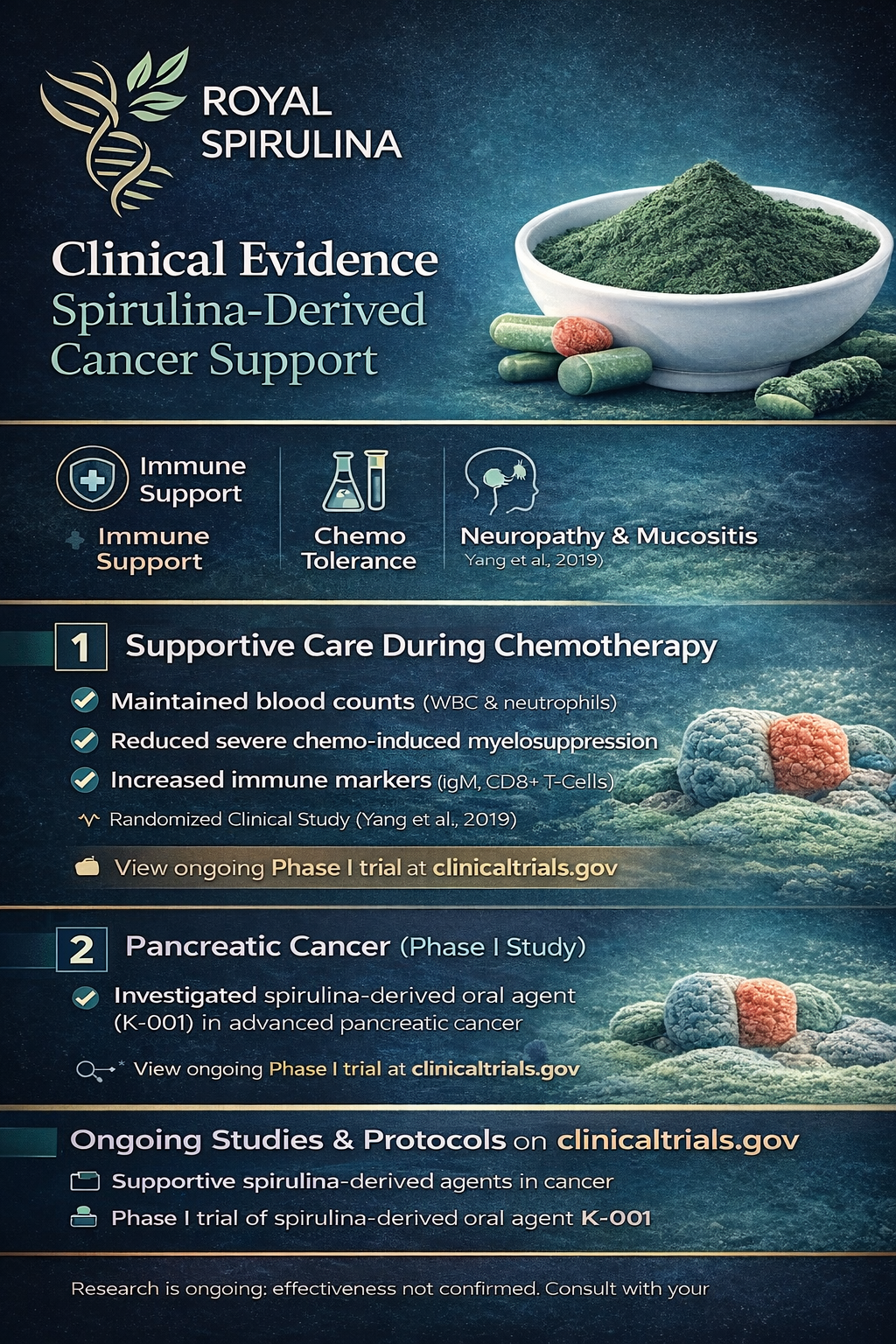
1. Inhibited Tumor Growth
A 2024 study on Spirulina maxima nanoemulsion demonstrated significant inhibition of tumor growth in mice. The treatment also reduced oxidative stress markers and helped normalize liver enzyme levels — a promising sign for its potential as an adjunct therapy.
2. Pancreatic Cancer Cell Suppression
Spirulina platensis and its active compounds were found to decrease proliferation of human pancreatic cancer cells while reducing reactive oxygen species, indicating both antioxidant and anti-proliferative action.
3. Phycocyanin Induces Apoptosis
Phycocyanin, the antioxidant pigment unique to spirulina, was shown to induce apoptosis (programmed cell death) and inhibit tumor cell proliferation in pancreatic cancer models.
4. Lung Cancer Cell Inhibition
In vitro experiments revealed that spirulina extract reduced viability of lung cancer cells and triggered apoptotic pathways — further showcasing its diverse anticancer mechanisms.
5. Immune System Enhancement
A UC Davis study highlighted that spirulina significantly stimulates cytokine production, boosting immune function — a critical advantage during or after cancer treatment.
Understanding How Spirulina Works Against Cancer
Spirulina’s anticancer potential stems from multiple biological mechanisms working in synergy. Understanding these pathways helps explain why this blue-green algae has attracted significant research attention in oncology.
Antioxidant Defense Mechanisms
At the cellular level, spirulina provides powerful antioxidant protection through phycocyanin and other bioactive compounds. These antioxidants neutralize free radicals that can damage DNA and trigger cancer development. The C-phycocyanin in spirulina has been shown to reduce oxidative stress markers by up to 40% in laboratory studies, creating an environment less favorable for tumor growth.
Apoptosis Induction
One of spirulina’s most significant anticancer mechanisms is its ability to trigger apoptosis — programmed cell death — specifically in cancer cells while leaving healthy cells unharmed. This selective action is crucial because cancer cells typically evade normal apoptosis signals. Phycocyanin activates caspase pathways and disrupts mitochondrial function in cancer cells, effectively forcing them to self-destruct.
Immune System Modulation
Spirulina enhances the body’s natural cancer surveillance system by stimulating production of natural killer (NK) cells, cytokines, and other immune factors. These immune components help identify and eliminate cancer cells before they can form tumors. Studies show spirulina can increase NK cell activity by 20-30%, providing an additional layer of protection against cancer development and progression.
Clinical Studies: What Patients Should Know
While most spirulina cancer research has been conducted in laboratory and animal models, emerging human studies provide valuable insights into its potential therapeutic applications.
Human Trial Evidence
A notable human study examined spirulina supplementation in patients with oral precancerous lesions (oral submucous fibrosis). After one year of taking 1 gram of spirulina daily, 45% of participants showed complete regression of lesions, compared to only 7% in the placebo group. These findings suggest spirulina may help prevent cancer development in high-risk populations.
Dosages Used in Research
Research studies have employed varying spirulina doses depending on the specific cancer type and study design:
- Prevention studies: 1-3 grams daily
- Supportive care during treatment: 3-5 grams daily
- Intensive protocols: 5-8 grams daily (under medical supervision)
It’s important to note that higher doses don’t necessarily mean better results. The optimal dose depends on individual factors including body weight, overall health status, and concurrent treatments.
Safety Profile
Spirulina has demonstrated an excellent safety record across numerous clinical trials. Side effects, when they occur, are typically mild and may include:
- Mild digestive upset (usually temporary)
- Slight headache during initial use
- Green-tinted stools (harmless and due to chlorophyll)
Serious adverse effects are extremely rare when using high-quality, contaminant-free spirulina. However, people with autoimmune conditions or those taking immunosuppressant medications should consult their healthcare provider before use.
Types of Cancer Studied
Research has explored spirulina’s effects across multiple cancer types, with varying levels of evidence for each.
Pancreatic Cancer
Multiple studies have demonstrated spirulina’s ability to suppress pancreatic cancer cell proliferation. The phycocyanin content appears particularly effective against this aggressive cancer type, with some in vitro studies showing up to 70% reduction in cancer cell viability. Pancreatic cancer’s typically poor prognosis makes these findings especially noteworthy.
Lung Cancer
Laboratory research indicates spirulina extract can trigger apoptosis in lung cancer cells while reducing their ability to migrate and invade healthy tissue. This anti-metastatic effect is crucial, as cancer spread is often more deadly than the primary tumor itself.
Breast Cancer
Preliminary research suggests spirulina may inhibit breast cancer cell growth through multiple pathways, including hormone receptor modulation and angiogenesis inhibition (blocking new blood vessel formation that tumors need to grow). While more research is needed, these mechanisms show promise for both hormone-positive and hormone-negative breast cancer types.
Colorectal Cancer
Studies have shown spirulina’s bioactive compounds can reduce inflammation in the colon — a key factor in colorectal cancer development. Additionally, spirulina’s high chlorophyll content may bind to potential carcinogens in the digestive tract, helping prevent their absorption.
Oral Cancer
As mentioned earlier, human trials have demonstrated spirulina’s effectiveness in reversing precancerous oral lesions. This represents some of the strongest clinical evidence for spirulina’s cancer-preventive potential in humans.
Combining Spirulina with Conventional Treatment
Many cancer patients wonder whether spirulina can be safely used alongside standard treatments like chemotherapy and radiation. Current evidence suggests potential benefits, but careful coordination with your oncology team is essential.
Potential Complementary Benefits
During Chemotherapy
Spirulina may help mitigate some chemotherapy side effects while potentially enhancing treatment effectiveness. Its antioxidant properties can help protect healthy cells from collateral damage, while its immune-supporting effects may help maintain white blood cell counts. Some patients report reduced fatigue and better appetite when supplementing with spirulina during chemotherapy.
During Radiation Therapy
The protective effects of spirulina’s antioxidants may help shield healthy tissue from radiation damage. Animal studies have shown spirulina can reduce radiation-induced oxidative stress and help preserve organ function, though human research in this area is still emerging.
Timing Considerations
If your oncologist approves spirulina supplementation, timing may matter:
- Chemotherapy days: Some practitioners recommend taking spirulina several hours before or after treatment to avoid potential interactions
- Between treatment cycles: Daily supplementation during rest periods may support immune recovery
- Post-treatment: Continued use may help prevent recurrence, though this requires more research
Important Drug Interactions to Consider
While spirulina is generally well-tolerated, be aware of these potential interactions:
- Immunosuppressants: Spirulina’s immune-stimulating effects may counteract these medications
- Blood thinners: Spirulina contains vitamin K, which can affect clotting
- Diabetes medications: Spirulina may lower blood sugar, potentially requiring dosage adjustments
Always inform your entire healthcare team about any supplements you’re taking or considering. Your oncologist should have the final say on whether spirulina is appropriate for your specific situation.
Quality Matters: What to Look For
Not all spirulina products offer the same potential benefits. Quality varies dramatically based on growing conditions, processing methods, and testing standards.
Phycocyanin Content (%)
The percentage of phycocyanin — spirulina’s primary bioactive compound — is the most important quality indicator. Look for products with:
- Minimum 12% phycocyanin for general health support
- 15%+ phycocyanin for therapeutic applications (like cancer support)
- Avoid products that don’t disclose phycocyanin content
Royal Spirulina maintains 15-18% phycocyanin content — significantly higher than the 5-8% typical in spray-dried competitors. This difference directly impacts the anticancer potential you’re actually receiving.
Heavy Metal Testing
Spirulina can absorb heavy metals from its growing environment, making testing critical. Essential tests include:
- Lead: Should be below 0.5 ppm
- Mercury: Should be below 0.1 ppm
- Arsenic: Should be below 0.5 ppm
- Cadmium: Should be below 0.5 ppm
Reputable manufacturers provide Certificates of Analysis (COA) for each batch. If a company won’t share test results, that’s a red flag.
Freeze-Dried vs Spray-Dried Processing
Processing method dramatically affects nutrient retention:
Freeze-Dried (Royal Spirulina’s Method):
- Preserves 90-95% of nutrients and phycocyanin
- Maintains enzyme activity
- Better bioavailability
- Higher cost due to energy-intensive process
Spray-Dried (Most Commercial Spirulina):
- High heat damages 40-50% of phycocyanin
- Denatures heat-sensitive compounds
- Cheaper to produce
- Lower therapeutic potential
For cancer support specifically, the superior phycocyanin preservation in freeze-dried spirulina makes a meaningful difference in therapeutic potential.
Third-Party Certifications
Look for independent verification of quality claims:
- USP Verified: Confirms identity, strength, purity, and quality
- NSF Certified: Independent testing for contaminants
- GRAS Status: Generally Recognized as Safe by FDA
- Organic Certification: While helpful, “organic” doesn’t guarantee high phycocyanin content
Growing Environment
Where and how spirulina is grown affects its quality:
- Controlled bioreactors (like Royal Spirulina uses) provide consistent quality and purity
- Open pond systems are more vulnerable to contamination
- Location matters: Clean water sources and minimal industrial pollution are crucial
Royal Spirulina grows in patented bioreactors specifically designed to maximize phycocyanin production while eliminating contamination risks — producing therapeutic-grade spirulina rather than just a dietary supplement.
🌿 Why Royal Spirulina?
Unlike conventional spirulina, Royal Spirulina is:
- Grown in patented bioreactors for optimal purity
- Freeze-dried — never spray-dried — to preserve maximum nutrients
- Rich in phycocyanin and free of contaminants
We go beyond “organic” — our goal is therapeutic-grade purity and potency.
Frequently Asked Questions
Can spirulina help with cancer treatment?
Research shows spirulina may support cancer treatment by inhibiting tumor growth, inducing apoptosis, and enhancing immune function. Studies demonstrate phycocyanin’s anti-proliferative effects on pancreatic and lung cancer cells. Always consult your healthcare provider before use.
What is phycocyanin and how does it fight cancer?
Phycocyanin is the blue antioxidant pigment in spirulina. Research shows it induces programmed cell death (apoptosis) in cancer cells and inhibits tumor proliferation. It’s one of spirulina’s most studied anti-cancer compounds.
Is spirulina safe during cancer treatment?
Spirulina is generally considered safe, but you should always consult your oncologist before adding any supplement during cancer treatment. Some studies show it may enhance immune function during treatment.
How much spirulina should I take for cancer support?
Studies have used varying doses, typically 1-8 grams daily. However, dosing should be personalized based on your health status and treatment plan. Always work with your healthcare provider.
What’s the difference between freeze-dried and spray-dried spirulina for cancer support?
Freeze-dried spirulina (like Royal Spirulina) preserves up to 95% of phycocyanin and nutrients, while spray-dried can lose 50%+ due to heat damage. Higher phycocyanin content means stronger antioxidant effects for health support.
Related Articles:
- Phycocyanin and Cancer Research
- Why Freeze-Dried Spirulina Matters for Cancer Support
- Best Spirulina Powder: Complete Buying Guide
- How to Take Spirulina for Maximum Benefits
🏅️ A Natural Option Worth Considering
If you or a loved one is navigating cancer treatment, spirulina may offer valuable support for immune function, inflammation control, and oxidative stress reduction. As always, consult your healthcare provider before integrating new supplements into a treatment plan.

Recent Comments