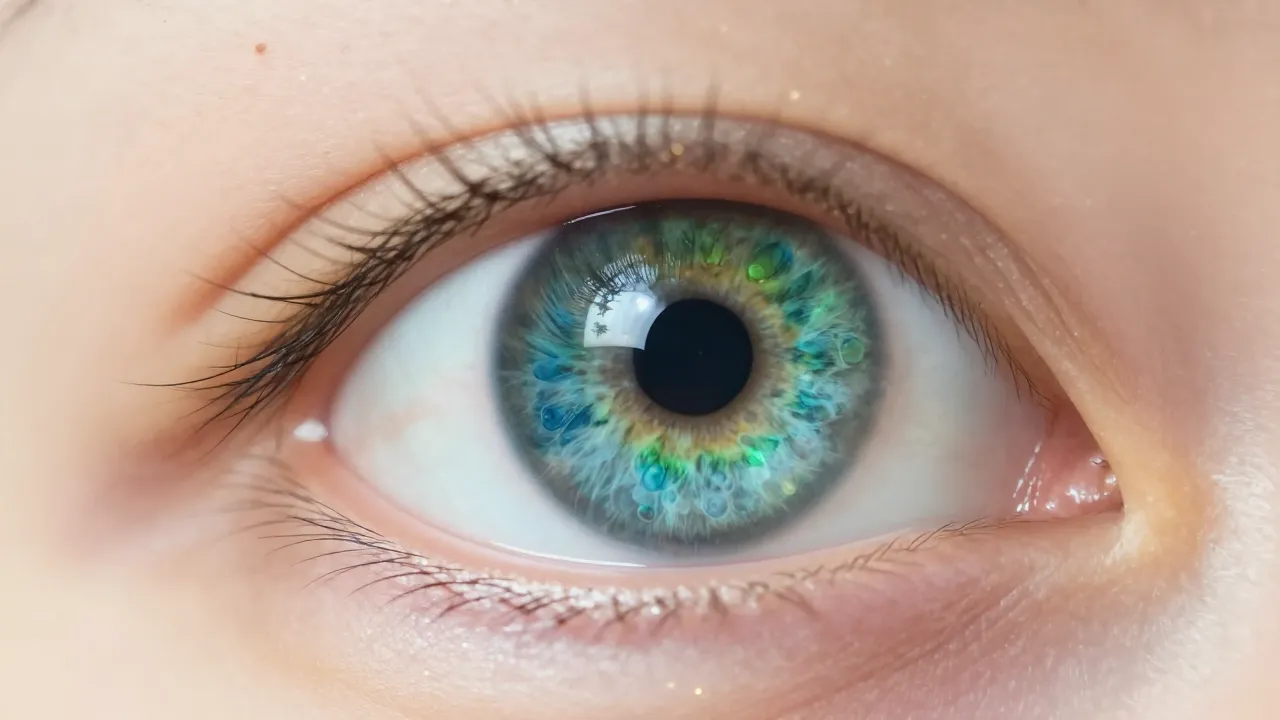
Your eyes are under siege. Every day, blue light from screens, UV radiation from the sun, and oxidative stress from normal metabolism chip away at the delicate tissues responsible for your vision. For millions of people worldwide, this cumulative damage leads to age-related macular degeneration (AMD) — the leading cause of irreversible blindness in adults over 50. By 2040, an estimated 288 million people will be affected by AMD globally, and the numbers are climbing as populations age and screen time increases.
While the eye-care industry has long focused on lutein and zeaxanthin supplements — two carotenoid pigments that form the protective macular pigment in your retina — most people don’t realize that one of nature’s richest and most bioavailable sources of zeaxanthin has been hiding in plain sight. Spirulina, the blue-green microalga cultivated for thousands of years, delivers not only zeaxanthin but an entire arsenal of eye-protective compounds: phycocyanin, beta-carotene, and unique polysaccharides that research shows can shield your retina, cornea, and lens from damage.
In this article, we’ll walk through the peer-reviewed science linking spirulina to eye health — from human bioavailability trials showing a 2.5-fold increase in serum zeaxanthin to animal studies demonstrating protection against blue light damage, cataracts, and corneal injury. Whether you’re looking to safeguard your vision as you age or simply want to reduce the toll of daily screen exposure, the evidence for spirulina is compelling.
What Is Age-Related Macular Degeneration (AMD)?
Age-related macular degeneration is a progressive disease that destroys the macula — the small, central portion of your retina responsible for sharp, detailed vision. The macula is what allows you to read, recognize faces, drive, and see fine details. AMD comes in two forms: dry AMD (the more common type, accounting for about 80–90% of cases), which involves a gradual thinning of the macula, and wet AMD, in which abnormal blood vessels grow beneath the retina and leak fluid, causing rapid vision loss.
Risk factors for AMD include age (especially over 60), smoking, obesity, cardiovascular disease, prolonged UV and blue light exposure, and a diet low in antioxidants and carotenoids. Importantly, low macular pigment optical density (MPOD) — which reflects low levels of lutein and zeaxanthin in the retina — is considered a significant risk factor. This is where dietary sources of zeaxanthin become critically important.
Why Zeaxanthin Matters for Your Eyes
Zeaxanthin and its isomer lutein are the only carotenoids that accumulate in the macula of the human eye. Together, they form what scientists call the macular pigment — a yellowish layer that serves three critical protective functions:
Blue light filtering: Macular pigment absorbs high-energy blue light (400–500 nm wavelength) before it reaches the photoreceptor cells beneath. Think of it as a natural pair of blue-light-filtering glasses built directly into your retina. This is especially relevant today, given the hours we spend staring at LED screens that emit concentrated blue light.
Antioxidant protection: Zeaxanthin is a potent antioxidant that quenches reactive oxygen species (ROS) generated by light exposure and metabolic activity in the retina. The retina is one of the most metabolically active tissues in the body, consuming oxygen at a higher rate per gram than the brain, making it exceptionally vulnerable to oxidative damage.
Structural support: Zeaxanthin is concentrated most densely at the very center of the macula (the fovea), where visual acuity is highest. It is incorporated into cell membranes, stabilizing them against oxidative damage and maintaining the structural integrity of photoreceptor cells.
Zeaxanthin vs. Lutein: A Key Distinction
While lutein is more evenly distributed across the peripheral retina, zeaxanthin dominates the central macula — the region most critical for sharp vision and most vulnerable to AMD. Research suggests that zeaxanthin may be up to twice as effective as lutein at quenching singlet oxygen, making it particularly valuable for macular protection. Despite this, most commercial eye-health supplements emphasize lutein, often providing zeaxanthin only in small amounts. Spirulina offers a natural way to boost zeaxanthin intake specifically.
Spirulina: A Superior Natural Source of Zeaxanthin
Spirulina (Arthrospira platensis) is one of the richest natural sources of zeaxanthin available. Unlike synthetic supplements, spirulina delivers zeaxanthin within a whole-food matrix of complementary antioxidants — including phycocyanin, beta-carotene, superoxide dismutase (SOD), and vitamin E — that may work synergistically to protect ocular tissues.
Critically, the zeaxanthin in spirulina has been shown to be highly bioavailable in humans. A landmark study by Yu et al. (2012), published in the British Journal of Nutrition, demonstrated that consuming spirulina significantly increased serum zeaxanthin concentrations in healthy volunteers. Participants who consumed spirulina-derived zeaxanthin saw their serum zeaxanthin levels increase approximately 2.5-fold compared to baseline. The study confirmed that spirulina zeaxanthin is absorbed and enters systemic circulation efficiently, especially when consumed with dietary fat (the study protocol included 12 g of dietary fat with each dose).
Further supporting this, Tudor et al. (2021) investigated the bioaccessibility of carotenoids from spirulina under simulated digestion conditions and found that adding coconut oil to spirulina increased zeaxanthin bioaccessibility to 42.8%. This is a remarkably high figure for a carotenoid and suggests that simply taking spirulina with a fat source — a spoonful of coconut oil, an avocado, or a handful of nuts — can substantially enhance the amount of zeaxanthin your body absorbs and can deliver to your eyes.
Key Studies on Spirulina and Eye Health
The scientific literature on spirulina and eye health spans multiple tissues of the eye — from the retina to the cornea to the lens — and includes both human and preclinical studies. Below is a summary of the most relevant findings:
| Study | Model | Key Finding | Eye Tissue |
|---|---|---|---|
| Yu et al. 2012 | Human | Spirulina zeaxanthin increased serum zeaxanthin 2.5x; confirmed bioavailability | Retina (systemic delivery) |
| Okamoto et al. 2019 | Mouse | Spirulina protected photoreceptors from light-induced photostress; preserved rhodopsin, reduced ROS | Retina |
| Cho et al. 2022 | Cell / Mouse | Spirulina maxima protected against blue light-induced retinal damage via NF-κB pathway; phycocyanin identified as active compound | Retina |
| Kumari et al. 2012 | Rat | C-phycocyanin retarded selenite-induced cataract formation; protected lens crystallins | Lens |
| Yang et al. 2009 | Rat | Spirulina polysaccharide inhibited corneal neovascularization | Cornea |
| Al-Neklawy 2018 | Rat | Spirulina protected corneal tissue from formaldehyde-induced injury | Cornea |
| Atilgan et al. 2022 | Rat | Spirulina radioprotected lacrimal glands from radiation-induced damage | Lacrimal gland |
| Eggersdorfer & Wyss 2018 | Review | Comprehensive review of carotenoids including zeaxanthin for eye health and AMD prevention | Retina (review) |
| Pereira et al. 2021 | Review | Identified algae including spirulina as valuable sources of bioactive carotenoids such as zeaxanthin | General (review) |
How Spirulina Protects Your Retina from Light Damage
Two studies stand out for demonstrating spirulina’s direct protective effects on retinal tissue exposed to damaging light — a scenario highly relevant to modern life, where hours of daily screen exposure subject the retina to concentrated blue light.
Okamoto et al. 2019: Protection Against Photostress
In this study, published in Translational Vision Science & Technology, researchers fed mice a spirulina-supplemented diet before exposing them to intense light designed to induce photoreceptor damage (photostress). The results were striking: spirulina-fed mice showed significantly better preservation of photoreceptor cell structure compared to controls. The spirulina group also exhibited reduced levels of reactive oxygen species (ROS) in retinal tissue, indicating that spirulina’s antioxidant compounds were actively quenching the free radicals generated by light exposure. Additionally, rhodopsin levels were better preserved in the spirulina group — rhodopsin is the light-sensitive pigment in rod photoreceptors essential for low-light and peripheral vision, and its degradation is a hallmark of retinal light damage.
Cho et al. 2022: Blue Light Protection via Phycocyanin
This more recent study, published in Nutrients, specifically investigated Spirulina maxima extract against blue light-induced retinal damage using both cell culture and animal models. The researchers found that spirulina extract significantly protected retinal cells from blue light-induced apoptosis (programmed cell death). Importantly, they identified phycocyanin — the distinctive blue pigment unique to spirulina — as the primary active compound responsible for this protection. The mechanism involved suppression of the NF-κB inflammatory signaling pathway, which plays a central role in inflammation-driven retinal degeneration. This finding is particularly significant because it means spirulina offers retinal protection through a compound (phycocyanin) that is entirely distinct from zeaxanthin, suggesting that spirulina provides multiple, complementary layers of eye protection.
Spirulina and Cataract Prevention
Cataracts — the clouding of the eye’s natural lens — remain the world’s leading cause of blindness, responsible for approximately 51% of global blindness cases. While surgical treatment is effective, prevention through nutrition is a growing area of research interest.
Kumari et al. 2012: Phycocyanin Against Cataract Formation
In a study published in Biological Trace Element Research, researchers tested C-phycocyanin (the purified blue pigment from spirulina) against selenite-induced cataract formation in neonatal rats. Selenite-induced cataract is a well-established model that closely mimics the oxidative mechanisms of human age-related cataract. The results showed that C-phycocyanin significantly retarded the progression of lens opacity. Biochemical analysis revealed that phycocyanin preserved the structural integrity of lens crystallin proteins — the transparent, highly organized proteins that give the lens its clarity. Phycocyanin also reduced oxidative stress markers in lens tissue, including lipid peroxidation and protein carbonyl formation.
These findings complement the broader understanding that oxidative damage to lens proteins is a primary driver of cataract development, and that antioxidants capable of reaching the lens can slow this process. Spirulina’s phycocyanin, with its potent antioxidant and anti-inflammatory properties, appears to be one such compound.
Spirulina for Corneal Health
The cornea — the clear, dome-shaped front surface of the eye — is the first structure that light passes through. Corneal damage from injury, chemical exposure, or abnormal blood vessel growth (neovascularization) can severely impair vision. Two studies have demonstrated spirulina’s protective effects on corneal tissue.
Yang et al. 2009: Inhibiting Corneal Neovascularization
Corneal neovascularization — the pathological growth of new blood vessels into the normally avascular cornea — is a sight-threatening condition that can result from infection, inflammation, or injury. Yang et al. demonstrated that spirulina polysaccharide effectively inhibited corneal neovascularization in a rat model. This is particularly noteworthy because it highlights a bioactive compound in spirulina (polysaccharides) distinct from both zeaxanthin and phycocyanin, further underscoring the multi-compound nature of spirulina’s eye-health benefits.
Al-Neklawy 2018: Protection from Chemical Corneal Injury
Published in Clinical Anatomy, this study examined whether spirulina could protect corneal tissue from formaldehyde-induced injury in rats. Formaldehyde is a common environmental irritant and occupational hazard that can damage corneal epithelium and stroma. Spirulina supplementation significantly protected the corneal architecture, reducing epithelial damage, stromal edema, and inflammatory cell infiltration. These protective effects were attributed to spirulina’s combined antioxidant and anti-inflammatory activity.
Atilgan et al. 2022: Lacrimal Gland Protection
While not directly corneal, the lacrimal glands produce the tear film that keeps the cornea healthy and clear. Atilgan et al. (2022), published in Ocular Immunology and Inflammation, demonstrated that spirulina supplementation provided radioprotection to lacrimal glands in rats exposed to ionizing radiation — a scenario relevant to patients undergoing radiation therapy for head and neck cancers. By preserving lacrimal gland function, spirulina may indirectly help maintain corneal health and prevent dry eye disease in at-risk populations.
Spirulina’s Beta-Carotene: A Pro-Vitamin A Bonus
Beyond zeaxanthin and phycocyanin, spirulina is one of the most concentrated natural sources of beta-carotene — the orange-yellow carotenoid that your body converts into vitamin A (retinol). Vitamin A is absolutely essential for eye health:
- Rhodopsin synthesis: Retinol is a structural component of rhodopsin, the light-sensitive pigment in rod photoreceptor cells. Without adequate vitamin A, rhodopsin cannot regenerate properly after each cycle of light absorption, leading to impaired night vision and dark adaptation — the classic early symptom of vitamin A deficiency.
- Corneal and conjunctival health: Vitamin A maintains the integrity of the corneal epithelium and the conjunctival mucous membranes. Severe deficiency leads to xerophthalmia (dry eyes), corneal ulceration, and ultimately blindness.
- Immune defense: Vitamin A supports the local immune defenses of the eye, helping to prevent infections that can damage ocular tissues.
A typical serving of spirulina (5–10 g) provides a meaningful dose of beta-carotene in its natural, food-matrix form. Unlike preformed vitamin A supplements (retinyl palmitate), beta-carotene from spirulina is converted to retinol on an as-needed basis, making toxicity from overconsumption virtually impossible.
Best Dosage of Spirulina for Eye Health
While no official dosage recommendation exists specifically for spirulina and eye health, we can draw reasonable guidance from the published research and general clinical practice:
| Goal | Suggested Daily Dose | Notes |
|---|---|---|
| General eye-health maintenance | 3–5 g spirulina | Provides baseline zeaxanthin, beta-carotene, and phycocyanin |
| Increased zeaxanthin intake (macular support) | 5–10 g spirulina | Aligns with doses shown to raise serum zeaxanthin in Yu et al. 2012 |
| Enhanced phycocyanin intake (anti-inflammatory, blue light protection) | 5–10 g spirulina | Higher doses provide more phycocyanin; freeze-dried spirulina preferred for phycocyanin preservation |
| Heavy screen users / high blue light exposure | 5–10 g spirulina | Take with a fat source; consider splitting dose (morning and afternoon) |
Maximizing zeaxanthin absorption: The research strongly supports taking spirulina with a source of dietary fat. In the Yu et al. (2012) human trial, participants consumed spirulina with meals containing approximately 12 g of dietary fat, and this protocol yielded the 2.5x increase in serum zeaxanthin. Tudor et al. (2021) further demonstrated that coconut oil specifically boosted zeaxanthin bioaccessibility to 42.8% under simulated digestion. Practical fat sources to pair with spirulina include a tablespoon of coconut oil, olive oil, or nut butter; half an avocado; or a handful of almonds or walnuts.
Why Freeze-Dried Spirulina Matters for Eye Health
Not all spirulina is created equal — and the drying method used during production has a direct impact on the compounds most important for eye health.
Phycocyanin, the blue pigment shown by Cho et al. (2022) to protect retinal cells from blue light damage, is a protein-pigment complex that is highly sensitive to heat. When spirulina is processed using conventional spray-drying at 150–200°C, a significant portion of phycocyanin is denatured and loses its biological activity. Some studies have documented phycocyanin losses of 40–60% during high-temperature processing.
Zeaxanthin and other carotenoids are also susceptible to heat-induced degradation and isomerization. High temperatures can convert biologically active all-trans-zeaxanthin into less bioavailable cis-isomers, reducing the amount of functional zeaxanthin that reaches your bloodstream and ultimately your retina.
Freeze-drying (lyophilization), by contrast, removes water at low temperatures under vacuum, preserving the full spectrum of heat-sensitive bioactive compounds. Freeze-dried spirulina, like Royal Spirulina, retains significantly higher levels of both phycocyanin and zeaxanthin compared to spray-dried alternatives. If you’re taking spirulina specifically for eye health, this distinction matters — you want to ensure the very compounds you’re seeking haven’t been degraded before the product reaches you.
Learn more: Freeze-Dried vs. Spray-Dried Spirulina: The Complete Guide
Side Effects and Precautions
Spirulina is generally well-tolerated and has been consumed safely by millions of people worldwide. Most clinical studies report no significant adverse effects at doses up to 10 g per day. However, a few precautions are worth noting:
- Mild digestive symptoms: Some people experience temporary nausea, bloating, or mild digestive discomfort when first starting spirulina, especially at higher doses. Starting with a low dose (1–2 g) and gradually increasing over a week can help.
- Autoimmune conditions: Because spirulina can stimulate immune function, individuals with autoimmune diseases should consult their healthcare provider before supplementation.
- Blood-thinning medications: Spirulina may have mild anticoagulant effects. If you take warfarin or other blood thinners, discuss spirulina with your doctor.
- Phenylketonuria (PKU): Spirulina contains phenylalanine, so individuals with PKU should avoid it.
- Quality and sourcing: Always choose spirulina from reputable producers that test for heavy metals, microcystins, and microbial contaminants.
For a deeper dive into safety considerations, see our guides: What to Avoid When Taking Spirulina and Spirulina Side Effects: What the Research Says.
Frequently Asked Questions
Is spirulina good for your eyes?
Yes. Spirulina contains multiple compounds that benefit eye health, including zeaxanthin (which forms the protective macular pigment in your retina), phycocyanin (which has been shown to protect retinal cells from blue light damage), and beta-carotene (a precursor to vitamin A, essential for night vision). Research demonstrates that these compounds are bioavailable from spirulina and can reach ocular tissues to provide antioxidant and anti-inflammatory protection.
Does spirulina contain zeaxanthin?
Yes. Spirulina is one of the richest natural sources of zeaxanthin. A human study by Yu et al. (2012) confirmed that zeaxanthin from spirulina is highly bioavailable, increasing serum zeaxanthin levels approximately 2.5-fold in healthy volunteers. The amount of zeaxanthin varies between spirulina strains and processing methods, with freeze-dried spirulina generally retaining higher levels than spray-dried products.
Can spirulina help with macular degeneration?
While no human clinical trial has directly tested spirulina as a treatment for AMD, there is strong indirect evidence supporting its potential. Spirulina provides bioavailable zeaxanthin, which is one of two carotenoids that form the macular pigment — the retina’s natural defense against oxidative and light damage. Low macular pigment is a recognized risk factor for AMD, and increasing zeaxanthin intake is a well-established strategy for supporting macular health. Additionally, spirulina’s phycocyanin has been shown in preclinical studies to protect retinal cells from light-induced damage through anti-inflammatory pathways.
How much spirulina should I take for eye health?
Based on the available research, 5–10 g of spirulina per day is a reasonable dose for eye-health support. This range aligns with the doses used in human bioavailability studies and provides meaningful amounts of zeaxanthin, phycocyanin, and beta-carotene. For best absorption of zeaxanthin, take spirulina with a meal that includes healthy fats — even a tablespoon of coconut oil or olive oil can significantly enhance carotenoid absorption.
Does spirulina protect against blue light damage?
Preclinical research says yes. Cho et al. (2022) demonstrated that Spirulina maxima extract protected retinal cells from blue light-induced damage in both cell culture and mouse models. The active compound was identified as phycocyanin, which worked by suppressing the NF-κB inflammatory pathway. Separately, spirulina’s zeaxanthin contributes to macular pigment, which naturally filters blue light before it reaches the photoreceptors.
Can spirulina prevent cataracts?
Animal research is promising. Kumari et al. (2012) showed that C-phycocyanin from spirulina significantly retarded selenite-induced cataract formation in rats by reducing oxidative stress and preserving lens crystallin proteins. While human trials are still needed, these results are consistent with the well-established link between antioxidant intake and reduced cataract risk. Spirulina’s combination of phycocyanin, zeaxanthin, and beta-carotene makes it a compelling nutritional strategy for lens health.
Is spirulina better than lutein supplements for eyes?
Spirulina and lutein supplements serve complementary rather than competing roles. Spirulina is particularly rich in zeaxanthin (which is concentrated at the very center of the macula, the most critical zone for sharp vision) and phycocyanin (which provides anti-inflammatory retinal protection through an entirely different mechanism). Most commercial “eye health” supplements emphasize lutein with only small amounts of zeaxanthin. Spirulina can be an excellent complement to a lutein supplement, or a stand-alone option for those who prefer whole-food sources of eye-protective nutrients.
Should I take spirulina with food for eye benefits?
Absolutely. Zeaxanthin and beta-carotene are fat-soluble compounds, meaning they require dietary fat for optimal absorption. The Yu et al. (2012) human trial used approximately 12 g of dietary fat with spirulina doses, and Tudor et al. (2021) demonstrated that coconut oil increased zeaxanthin bioaccessibility to 42.8%. Taking spirulina with a meal containing healthy fats — or simply mixing it into a smoothie with some nut butter or coconut oil — will significantly enhance the absorption of the carotenoids most important for your eyes.
Scientific References
- Yu B, Wang J, Suter PM, et al. Spirulina is an effective dietary source of zeaxanthin to humans. British Journal of Nutrition. 2012;108(4):611–619. PMID: 22313576. DOI: 10.1017/S0007114511005885
- Okamoto T, Kawashima H, Osada H, et al. Dietary spirulina supplementation protects visual function from photostress by suppressing retinal neurodegeneration in mice. Translational Vision Science & Technology. 2019;8(6):20. PMID: 31788349. DOI: 10.1167/tvst.8.6.20
- Cho HM, Jo YD, Kim KH, et al. Protective effect of Spirulina maxima against blue light-induced retinal damage in vitro and in vivo. Nutrients. 2022;14(3):401. PMID: 35276761. DOI: 10.3390/nu14030401
- Kumari RP, Ramkumar S, Thankappan B, et al. Retardation of selenite cataract by C-phycocyanin from Spirulina platensis. Biological Trace Element Research. 2012;151(1):59–67. PMID: 23086307. DOI: 10.1007/s12011-012-9526-2
- Yang L, Wang Y, Zhou Q, et al. Inhibitory effects of polysaccharide extract from Spirulina platensis on corneal neovascularization. Molecular Vision. 2009;15:1951–1961. PMID: 19784394.
- Al-Neklawy AF. Protective effect of Spirulina platensis against formaldehyde-induced corneal damage in adult male albino rats: Histological and immunohistochemical study. Clinical Anatomy. 2018;31(8):1165–1175. PMID: 29732620. DOI: 10.1002/ca.23200
- Atilgan HI, Yildiz T, Gumustas SA, et al. Radioprotective effect of spirulina on lacrimal gland in irradiated rats. Ocular Immunology and Inflammation. 2022;30(7):1656–1661. PMID: 35050831. DOI: 10.1080/09273948.2022.2026409
- Eggersdorfer M, Wyss A. Carotenoids in human nutrition and health. Archives of Biochemistry and Biophysics. 2018;652:18–26. PMID: 29885291. DOI: 10.1016/j.abb.2018.06.001
- Pereira AG, Otero P, Jimenez-Lopez C, et al. Xanthophylls from the sea: Algae as source of bioactive carotenoids. Marine Drugs. 2021;19(4):188. PMID: 33801636. DOI: 10.3390/md19040188
- Tudor C, Grigore-Gurgu L, Popa M, et al. Improved bioaccessibility of carotenoids from Spirulina with oil-based emulsion delivery systems. LWT – Food Science and Technology. 2021;145:111312. PMID: 33841808.
Related Reading
Spirulina Benefits: The Complete Science-Based Guide — A comprehensive overview of spirulina’s health benefits backed by research.
Blue Spirulina Benefits: The Science of Phycocyanin — Deep dive into phycocyanin, the blue pigment shown to protect retinal cells from blue light damage.
Spirulina Benefits for Women — How spirulina supports women’s health, including antioxidant protection and nutritional support.
Spirulina Benefits for Men — Research-backed benefits of spirulina for men’s health and vitality.
Spirulina Side Effects: What the Research Says — An honest look at potential side effects and how to minimize them.
What to Avoid When Taking Spirulina — Important interactions, contraindications, and timing considerations.
Spirulina Dosage Guide: How Much Should You Take? — Science-based dosage recommendations for different health goals.
Freeze-Dried vs. Spray-Dried Spirulina: The Complete Guide — Why processing method matters for preserving phycocyanin and zeaxanthin.
Spirulina for Allergies & Hay Fever — How spirulina’s anti-inflammatory compounds may help with allergic rhinitis.
Best Time to Take Spirulina — When to take spirulina for maximum absorption and benefits.
Does Spirulina Break a Fast? — What the science says about spirulina and intermittent fasting.
Spirulina for Liver Health: NAFLD, Fatty Liver & Detox — How spirulina protects against fatty liver disease through antioxidant, anti-inflammatory, and metabolic pathways.