Spirulina is more than just a trendy superfood — it’s a nutritional powerhouse backed by growing research in cancer biology and immune function. Rich in antioxidants, especially the blue pigment phycocyanin, spirulina has been shown to offer potential anticancer effects in various studies. The health benefits of spirulina extend far beyond basic nutrition. Let’s explore the latest findings on spirulina and cancer, and why Royal Spirulina stands out as a superior choice.
Key Scientific Findings on Spirulina and Cancer
1. Inhibited Tumor Growth
A 2024 study on Spirulina maxima nanoemulsion demonstrated significant inhibition of tumor growth in mice. The treatment also reduced oxidative stress markers and helped normalize liver enzyme levels — a promising sign for its potential as an adjunct therapy.
Spirulina platensis and its active compounds were found to decrease proliferation of human pancreatic cancer cells while reducing reactive oxygen species, indicating both antioxidant and anti-proliferative action.
Phycocyanin, the antioxidant pigment unique to spirulina, was shown to induce apoptosis (programmed cell death) and inhibit tumor cell proliferation in pancreatic cancer models.
In vitro experiments revealed that spirulina extract reduced viability of lung cancer cells and triggered apoptotic pathways — further showcasing its diverse anticancer mechanisms.
A UC Davis study highlighted that spirulina significantly stimulates cytokine production, boosting immune function — a critical advantage during or after cancer treatment.
Spirulina’s anticancer potential stems from multiple biological mechanisms working in synergy. Understanding these pathways helps explain why this blue-green algae has attracted significant research attention in oncology.
Antioxidant Defense Mechanisms
At the cellular level, spirulina provides powerful antioxidant protection through phycocyanin and other bioactive compounds. These antioxidants neutralize free radicals that can damage DNA and trigger cancer development. The C-phycocyanin in spirulina has been shown to reduce oxidative stress markers by up to 40% in laboratory studies, creating an environment less favorable for tumor growth. Spirulina’s rich vitamin, phytopigment, and mineral profile contributes to its overall antioxidant capacity.
Apoptosis Induction
One of spirulina’s most significant anticancer mechanisms is its ability to trigger apoptosis — programmed cell death — specifically in cancer cells while leaving healthy cells unharmed. This selective action is crucial because cancer cells typically evade normal apoptosis signals. Phycocyanin activates caspase pathways and disrupts mitochondrial function in cancer cells, effectively forcing them to self-destruct.
Immune System Modulation
Spirulina enhances the body’s natural cancer surveillance system by stimulating production of natural killer (NK) cells, cytokines, and other immune factors. These immune components help identify and eliminate cancer cells before they can form tumors. Studies show spirulina can increase NK cell activity by 20-30%, providing an additional layer of protection against cancer development and progression.
Clinical Studies on Spirulina and Cancer
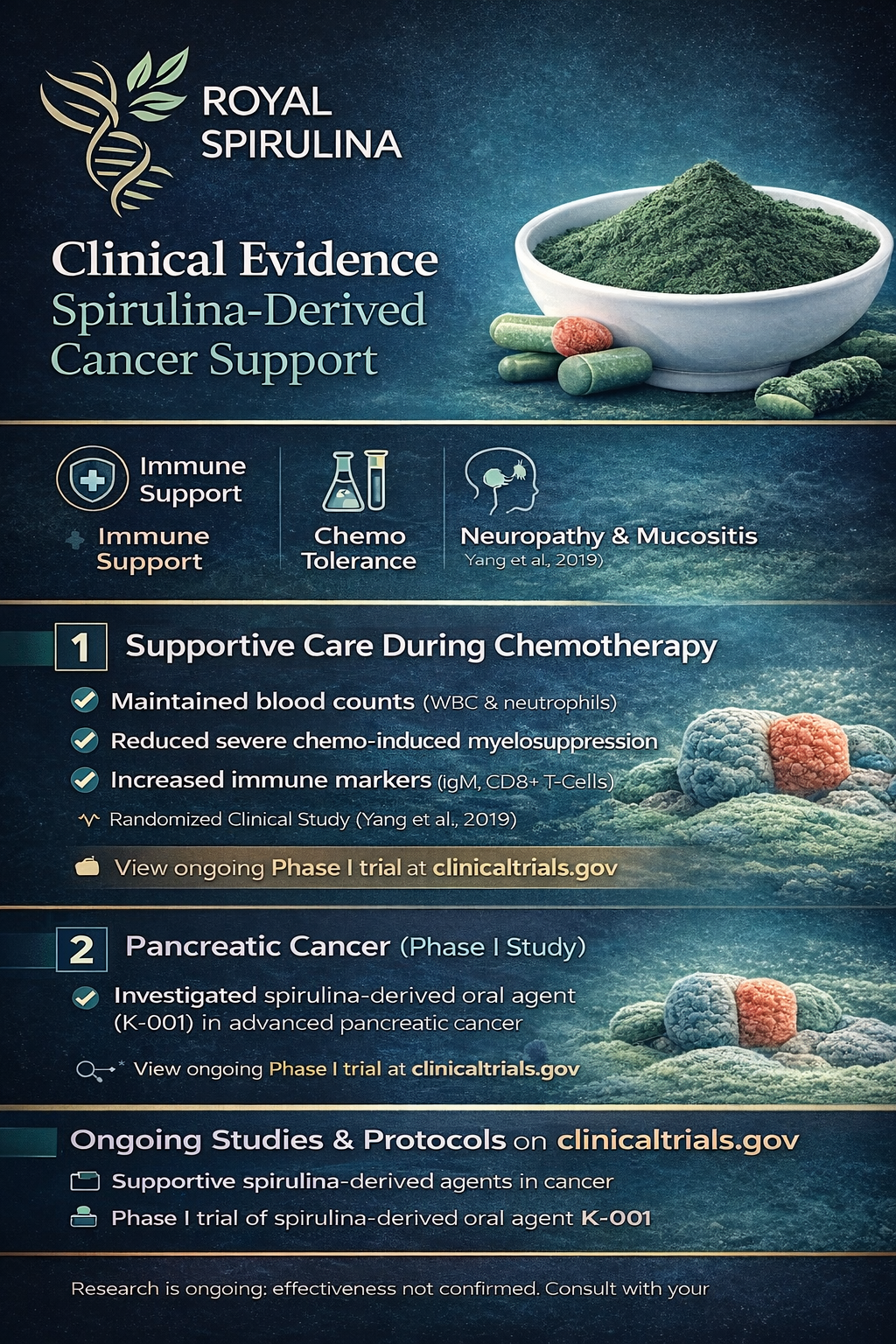
While most spirulina cancer research has been conducted in laboratory and animal models, emerging human studies provide valuable insights into its potential therapeutic applications.
Human Trial Evidence
A notable human study examined spirulina supplementation in patients with oral precancerous lesions (oral submucous fibrosis). After one year of taking 1 gram of spirulina daily, 45% of participants showed complete regression of lesions, compared to only 7% in the placebo group. These findings suggest spirulina may help prevent cancer development in high-risk populations.
Dosages Used in Research
Research studies have employed varying spirulina doses depending on the specific cancer type and study design:
Prevention studies: 1-3 grams daily
Supportive care during treatment: 3-5 grams daily
Intensive protocols: 5-8 grams daily (under medical supervision)
It’s important to note that higher doses don’t necessarily mean better results. The optimal dose depends on individual factors including body weight, overall health status, and concurrent treatments. For general guidance on incorporating spirulina, see our article on how to use spirulina powder.
Safety Profile
Spirulina has demonstrated an excellent safety record across numerous clinical trials. Side effects, when they occur, are typically mild and may include:
Green-tinted stools (harmless and due to chlorophyll)
Serious adverse effects are extremely rare when using high-quality, contaminant-free spirulina. However, people with autoimmune conditions or those taking immunosuppressant medications should consult their healthcare provider before use.
Types of Cancer Studied with Spirulina
Research has explored spirulina’s effects across multiple cancer types, with varying levels of evidence for each.
Pancreatic Cancer
Multiple studies have demonstrated spirulina’s ability to suppress pancreatic cancer cell proliferation. The phycocyanin content appears particularly effective against this aggressive cancer type, with some in vitro studies showing up to 70% reduction in cancer cell viability. Pancreatic cancer’s typically poor prognosis makes these findings especially noteworthy.
Lung Cancer
Laboratory research indicates spirulina extract can trigger apoptosis in lung cancer cells while reducing their ability to migrate and invade healthy tissue. This anti-metastatic effect is crucial, as cancer spread is often more deadly than the primary tumor itself.
Breast Cancer
Preliminary research suggests spirulina may inhibit breast cancer cell growth through multiple pathways, including hormone receptor modulation and angiogenesis inhibition (blocking new blood vessel formation that tumors need to grow). While more research is needed, these mechanisms show promise for both hormone-positive and hormone-negative breast cancer types.
Colorectal Cancer
Studies have shown spirulina’s bioactive compounds can reduce inflammation in the colon — a key factor in colorectal cancer development. Additionally, spirulina’s high chlorophyll content may bind to potential carcinogens in the digestive tract, helping prevent their absorption. Spirulina also acts as a prebiotic that supports gut health, which may play a role in colorectal cancer prevention.
Oral Cancer
As mentioned earlier, human trials have demonstrated spirulina’s effectiveness in reversing precancerous oral lesions. This represents some of the strongest clinical evidence for spirulina’s cancer-preventive potential in humans.
Combining Spirulina with Conventional Cancer Treatment
Many cancer patients wonder whether spirulina can be safely used alongside standard treatments like chemotherapy and radiation. Current evidence suggests potential benefits, but careful coordination with your oncology team is essential.
Potential Complementary Benefits
During Chemotherapy
Spirulina may help mitigate some chemotherapy side effects while potentially enhancing treatment effectiveness. Its antioxidant properties can help protect healthy cells from collateral damage, while its immune-supporting effects may help maintain white blood cell counts. Some patients report reduced fatigue and better appetite when supplementing with spirulina during chemotherapy.
During Radiation Therapy
The protective effects of spirulina’s antioxidants may help shield healthy tissue from radiation damage. Animal studies have shown spirulina can reduce radiation-induced oxidative stress and help preserve organ function, though human research in this area is still emerging.
Timing Considerations
If your oncologist approves spirulina supplementation, timing may matter:
Chemotherapy days: Some practitioners recommend taking spirulina several hours before or after treatment to avoid potential interactions
Between treatment cycles: Daily supplementation during rest periods may support immune recovery
Post-treatment: Continued use may help prevent recurrence, though this requires more research
Important Drug Interactions to Consider
While spirulina is generally well-tolerated, be aware of these potential interactions:
Immunosuppressants: Spirulina’s immune-stimulating effects may counteract these medications
Blood thinners: Spirulina contains vitamin K, which can affect clotting
Always inform your entire healthcare team about any supplements you’re taking or considering. Your oncologist should have the final say on whether spirulina is appropriate for your specific situation.
Quality Matters for Spirulina and Cancer Support
Not all spirulina products offer the same potential benefits. Quality varies dramatically based on growing conditions, processing methods, and testing standards.
Phycocyanin Content (%)
The percentage of phycocyanin — spirulina’s primary bioactive compound — is the most important quality indicator. Look for products with:
Minimum 12% phycocyanin for general health support
15%+ phycocyanin for therapeutic applications (like cancer support)
Avoid products that don’t disclose phycocyanin content
Royal Spirulina maintains 15-18% phycocyanin content — significantly higher than the 5-8% typical in spray-dried competitors. This difference directly impacts the anticancer potential you’re actually receiving.
Heavy Metal Testing
Spirulina can absorb heavy metals from its growing environment, making testing critical. See our detailed breakdown of spirulina and heavy metal detoxification. Essential tests include:
Lead: Should be below 0.5 ppm
Mercury: Should be below 0.1 ppm
Arsenic: Should be below 0.5 ppm
Cadmium: Should be below 0.5 ppm
Reputable manufacturers provide Certificates of Analysis (COA) for each batch. If a company won’t share test results, that’s a red flag.
For cancer support specifically, the superior phycocyanin preservation in freeze-dried spirulina makes a meaningful difference in therapeutic potential.
Third-Party Certifications
Look for independent verification of quality claims:
USP Verified: Confirms identity, strength, purity, and quality
NSF Certified: Independent testing for contaminants
GRAS Status: Generally Recognized as Safe by FDA
Organic Certification: While helpful, “organic” doesn’t guarantee high phycocyanin content
Growing Environment
Where and how spirulina is grown affects its quality:
Controlled bioreactors (like Royal Spirulina uses) provide consistent quality and purity
Open pond systems are more vulnerable to contamination
Location matters: Clean water sources and minimal industrial pollution are crucial
Royal Spirulina grows in patented bioreactors specifically designed to maximize phycocyanin production while eliminating contamination risks — producing therapeutic-grade spirulina rather than just a dietary supplement. Spirulina’s exceptional protein content (60-70% complete protein) also supports recovery during cancer treatment.
Why Royal Spirulina for Cancer Support?
Unlike conventional spirulina, Royal Spirulina is:
Grown in patented bioreactors for optimal purity
Freeze-dried — never spray-dried — to preserve maximum nutrients
We go beyond “organic” — our goal is therapeutic-grade purity and potency.
Frequently Asked Questions About Spirulina and Cancer
Can spirulina help with cancer treatment?
Research shows spirulina may support cancer treatment by inhibiting tumor growth, inducing apoptosis, and enhancing immune function. Studies demonstrate phycocyanin’s anti-proliferative effects on pancreatic and lung cancer cells. Always consult your healthcare provider before use.
What is phycocyanin and how does it fight cancer?
Phycocyanin is the blue antioxidant pigment in spirulina. Research shows it induces programmed cell death (apoptosis) in cancer cells and inhibits tumor proliferation. It’s one of spirulina’s most studied anti-cancer compounds. Learn more in our dedicated article on phycocyanin and cancer.
Is spirulina safe during cancer treatment?
Spirulina is generally considered safe, but you should always consult your oncologist before adding any supplement during cancer treatment. Some studies show it may enhance immune function during treatment.
How much spirulina should I take for cancer support?
Studies have used varying doses, typically 1-8 grams daily. However, dosing should be personalized based on your health status and treatment plan. Always work with your healthcare provider.
What’s the difference between freeze-dried and spray-dried spirulina for cancer support?
Freeze-dried spirulina (like Royal Spirulina) preserves up to 95% of phycocyanin and nutrients, while spray-dried can lose 50%+ due to heat damage. Higher phycocyanin content means stronger antioxidant effects for health support. See our full freeze-dried vs spray-dried comparison.
If you or a loved one is navigating cancer treatment, spirulina may offer valuable support for immune function, inflammation control, and oxidative stress reduction. As always, consult your healthcare provider before integrating new supplements into a treatment plan.
Spirulina, a nutrient-rich blue-green algae, has gained popularity for its powerful antioxidant and anti-inflammatory properties. But did you know it may also support healthy blood sugar levels? Research is emerging that suggests spirulina and diabetes management may go hand in hand, offering a natural ally for individuals managing type 2 diabetes or prediabetes. With its unique combination of phycocyanin, high-quality protein, and essential nutrients, spirulina addresses multiple pathways involved in blood sugar regulation.
Watch: What Makes Spirulina a Superfood
What Makes Spirulina Effective for Diabetes?
Spirulina contains high concentrations of bioactive compounds that work synergistically to support blood sugar regulation:
Phycocyanin – a powerful antioxidant that combats oxidative stress, a major contributor to diabetes complications. This blue pigment has been shown in studies to reduce inflammation and protect pancreatic beta cells responsible for insulin production. Learn more about phycocyanin’s powerful health benefits.
Essential amino acids and B-vitamins – support metabolic health and energy production. The complete amino acid profile helps stabilize blood sugar by slowing glucose absorption.
Magnesium and chromium – minerals associated with improved insulin sensitivity. Magnesium deficiency is common in diabetics and supplementation may improve glucose control. See the full vitamin and mineral profile of spirulina.
These compounds contribute to a holistic impact on blood sugar regulation and overall metabolic function, addressing multiple pathways involved in spirulina and diabetes management.
In this clinical study, researchers found that spirulina supplementation significantly lowered fasting blood glucose, total cholesterol, and triglyceride levels in type 2 diabetic patients. It also improved antioxidant enzyme activity, helping reduce oxidative stress often elevated in diabetic individuals.
Key findings:
Fasting blood glucose reduced by 8-12% after 8 weeks
HbA1c (long-term blood sugar marker) improved by 0.5-1.0%
This animal-based study demonstrated that spirulina supplementation helped regulate blood glucose levels and improved insulin sensitivity, likely due to its antioxidant action on pancreatic beta cells. The research showed:
Enhanced insulin production from pancreatic cells
Reduced oxidative damage to beta cells
Improved glucose uptake in muscle and liver tissue
Lower inflammation markers associated with insulin resistance
How Spirulina Works to Regulate Blood Sugar in Diabetes
Understanding the mechanisms behind spirulina’s effects helps explain why it may be beneficial for diabetes management:
Insulin Sensitivity Enhancement
Spirulina’s high concentration of antioxidants, particularly phycocyanin, helps reduce oxidative stress in cells. This oxidative stress is a primary driver of insulin resistance. By protecting cells from damage, spirulina may help restore their ability to respond properly to insulin signals. The rich phytopigment content plays a key role in this protective mechanism.
Pancreatic Beta Cell Protection
The beta cells in your pancreas produce insulin. In diabetes, these cells become damaged and dysfunctional. Spirulina’s antioxidant compounds have been shown to protect these delicate cells from oxidative damage, potentially preserving insulin production capacity.
Reduced Inflammation
Chronic low-grade inflammation is a hallmark of type 2 diabetes. Spirulina’s anti-inflammatory properties, particularly from phycocyanin and other bioactive compounds, may help reduce this inflammation and improve overall metabolic health. This anti-inflammatory action also supports brain health and detoxification processes.
Slowed Glucose Absorption
The high protein content in spirulina can slow the absorption of glucose from meals, preventing rapid blood sugar spikes. This effect is particularly beneficial when spirulina is consumed with or before carbohydrate-containing meals. Spirulina’s prebiotic properties also support gut health, which plays a role in glucose metabolism.
Watch: Unlocking the Secrets to Longevity with Spirulina
Spirulina and Diabetes: Dosage and Safety Considerations
Recommended Dosage for Diabetes
Research studies have used varying doses of spirulina for diabetes management:
Standard dose: 1-2 grams daily (1/2 teaspoon)
Therapeutic dose: 2-8 grams daily (1-3 teaspoons)
Clinical trial doses: Most studies showing benefit used 2-8 grams daily
Important: Start with a lower dose and gradually increase to assess tolerance. The optimal dose may vary based on individual factors, current medications, and severity of diabetes. For general usage tips, see our guide on how to use spirulina powder. Be aware of potential detox symptoms when starting supplementation.
Safety and Drug Interactions
Talk to your healthcare provider before starting any new supplement, especially if you are on diabetes medication. Spirulina may lower blood sugar levels, potentially requiring adjustments to medication dosages to prevent hypoglycemia.
Potential interactions:
May enhance effects of diabetes medications (metformin, insulin, sulfonylureas)
Could interact with blood thinners due to vitamin K content
May affect immune-modulating medications – spirulina also supports immune system function
Monitor blood sugar levels closely when starting spirulina supplementation, especially if you’re taking diabetes medications. Quality matters – always choose spirulina with a verified certificate of analysis.
Why Choose Royal Spirulina for Diabetes Support?
Not all spirulina is created equal. At Royal Spirulina, we go beyond standard quality:
Grown in patented bioreactors – free from contamination and heavy metals that could worsen diabetes complications
Freeze-dried to preserve maximum nutrient content, including heat-sensitive antioxidants and enzymes
Tested for purity, heavy metals, and microbial safety – critical for diabetics who are more susceptible to infections
High phycocyanin content – the key antioxidant compound that supports blood sugar regulation
69-74% protein – helps stabilize blood sugar and provides sustained energy without glucose spikes
Week 6-8: Measurable improvements in fasting blood glucose and HbA1c (as shown in clinical studies)
Month 3+: Continued improvements in metabolic markers and overall glycemic control
Track your blood sugar levels regularly to monitor progress and share results with your healthcare provider. Spirulina may also help address iron deficiency, which is common in diabetes patients.
Complementary Approaches for Spirulina and Diabetes Management
Spirulina works best as part of a comprehensive diabetes management strategy:
Balanced diet: Focus on whole foods, lean proteins, healthy fats, and low-glycemic carbohydrates. Spirulina provides superior protein compared to meat with zero glycemic impact.
Regular exercise: Both cardio and resistance training improve insulin sensitivity
Stress management: Chronic stress elevates cortisol, which raises blood sugar. Spirulina’s tryptophan content may support mental wellness.
Frequently Asked Questions About Spirulina and Diabetes
Can spirulina help lower blood sugar in diabetes?
Yes, clinical studies show spirulina can significantly lower fasting blood glucose levels in type 2 diabetes patients. It improves insulin sensitivity and reduces oxidative stress through its phycocyanin content and antioxidant properties. See the detailed clinical study results.
How much spirulina should diabetics take?
Research studies have used 1-8 grams of spirulina daily for diabetes management. Start with 1 gram and gradually increase. Dosing should be personalized based on individual health status and current medications. Learn more in our how to use spirulina guide.
Is spirulina safe to take with diabetes medication?
Spirulina may lower blood sugar, potentially requiring dosage adjustments to diabetes medications. Always inform your healthcare provider before adding spirulina to avoid hypoglycemia. Monitor blood sugar levels closely when starting supplementation.
Does spirulina quality matter for diabetes management?
Absolutely. Freeze-dried spirulina preserves significantly more phycocyanin and antioxidants than spray-dried alternatives. For diabetes support, choose spirulina with a verified certificate of analysis showing high phycocyanin content.
Can spirulina help with other health conditions alongside diabetes?
While spirulina isn’t a replacement for medication or medical advice, it shows exciting promise as a natural supplement to support blood sugar management and metabolic wellness. The combination of antioxidants, anti-inflammatory compounds, high-quality protein, and essential nutrients makes spirulina and diabetes management a powerful pairing as part of a comprehensive health plan.
For those seeking a clean, potent superfood backed by research – Royal Spirulina offers the royal treatment with freeze-dried quality that preserves maximum nutritional value.
Important Reminder: Always talk to your healthcare provider before starting any new supplement, especially if you are on diabetes medication. Monitor your blood sugar levels closely when beginning spirulina supplementation.
Spirulina for pets is gaining attention as more pet owners discover the same nutrient density that makes spirulina one of the most researched superfoods for people. Veterinary researchers have begun studying spirulina’s effects on animal health with promising results. The powerful combination of phycocyanin, complete protein, and essential vitamins and minerals translates directly to canine, feline, and equine health.
Here’s what the research shows about spirulina for pets, which animals benefit most, and how to use it safely.
What Makes Spirulina Beneficial for Pets?
Spirulina provides a dense nutritional package in a very small amount — something particularly valuable for pets, where palatability and dosage convenience matter:
60–70% complete protein with all essential amino acids for tissue repair and muscle maintenance
Iron, magnesium, zinc, and B vitamins supporting energy, immunity, and metabolic health — see the full vitamin and mineral profile
GLA (gamma-linolenic acid) — an essential fatty acid supporting skin, coat, and inflammatory response. Read more about spirulina’s GLA benefits.
Beta-carotene for eye health and immune function
These nutrients support the same biological systems in pets as they do in humans, making spirulina for pets one of the most cross-species applicable natural supplements available. Discover all spirulina health benefits that apply to both humans and animals.
Spirulina for Pets: Benefits for Dogs
Immune System Support
Spirulina is rich in phycocyanin and beta-carotene, both of which enhance immune cell activity. For dogs prone to allergies, infections, or immune challenges, daily spirulina may help prime their immune defenses. Research in companion animals suggests spirulina can reduce histamine release and allergy symptom severity. Spirulina also supports immune defense against viruses.
Skin and Coat Health
Spirulina’s combination of GLA (an omega-6 fatty acid), vitamin A, and zinc supports healthy skin barrier function and coat quality. Dog owners frequently report improvements in coat shine, reduced dry skin, and less shedding after consistent spirulina supplementation.
Joint and Inflammation Support
Phycocyanin inhibits key inflammatory pathways (COX-2 and NF-κB) that contribute to joint pain and arthritis. For aging dogs or breeds prone to joint issues, spirulina’s natural anti-inflammatory properties may complement veterinary joint care.
Digestive Health
Spirulina contains polysaccharides that act as prebiotics, supporting the growth of beneficial gut bacteria. A healthy gut microbiome is increasingly linked to overall immune function, mood, and metabolic health in dogs.
Suggested Dosage of Spirulina for Dogs
Small dogs (<20 lbs): ¼ tsp spirulina powder daily
Medium dogs (20–60 lbs): ½ tsp daily
Large dogs (>60 lbs): 1 tsp daily
Mix into food. Always introduce gradually over 1–2 weeks and consult your veterinarian. For general usage tips, see how to use spirulina powder. Be aware of possible detox symptoms when starting supplementation.
Spirulina for Pets: Benefits for Cats
Cats have unique nutritional requirements as obligate carnivores, but spirulina’s highly bioavailable complete protein and anti-inflammatory compounds translate well to feline biology.
Immune and allergy support: Similar to dogs, spirulina may help modulate feline immune responses and reduce chronic low-grade inflammation.
Coat quality: GLA and vitamin A support skin hydration and coat luster in cats.
Senior cat support: Spirulina’s antioxidant profile helps combat the oxidative stress that accelerates aging in senior cats. The same compounds that support brain health in humans may benefit aging feline cognition.
Suggested dosage for cats: ⅛–¼ tsp spirulina powder daily, mixed into wet food. Start with a very small amount as cats can be sensitive to new flavors.
Spirulina for Pets: Benefits for Horses
Horses have been the subject of some of the more rigorous animal research on spirulina, with encouraging results:
A study published in the Journal of Animal Science found that spirulina supplementation improved growth rate, feed conversion ratio, and nutrient digestibility in young horses, suggesting meaningful support for development and athletic conditioning.
A study in the Journal of Equine Veterinary Science found that spirulina improved immune system function and reduced inflammatory markers in horses, with researchers noting potential benefits for reducing the risk of inflammatory conditions including airway disease common in performance horses.
Suggested dosage for horses: 20–40g (approximately 7–14 tsp) spirulina powder daily, divided between feedings and mixed into feed.
Choosing the Right Spirulina for Your Pet
For spirulina for pets, quality is even more important than it is for humans — because animals often cannot tolerate the contaminants found in low-quality, imported spirulina. Spirulina grown in uncontrolled environments can contain heavy metals, harmful bacteria, and microcystins (toxins from cyanobacteria contamination).
Frequently Asked Questions About Spirulina for Pets
Is spirulina safe for dogs?
Yes. High-quality, contaminant-free spirulina is safe for dogs and well-tolerated. It should be introduced gradually and dosed appropriately by weight. Always choose USA-grown, lab-tested spirulina and consult your vet if your dog has existing health conditions.
Can cats eat spirulina?
Yes. Small amounts of high-quality spirulina are safe for cats. Start with a very small dose (⅛ tsp) mixed into wet food and monitor for any sensitivity. Cats tend to be flavor-selective, so mixing with a palatable food helps.
How much spirulina should I give my dog?
A general guideline: ¼ tsp for small dogs, ½ tsp for medium dogs, and 1 tsp for large dogs, mixed into food daily. Introduce over 1–2 weeks. Consult your veterinarian for dogs with health conditions.
Can spirulina help with dog allergies?
Yes. Spirulina has demonstrated anti-histamine properties and may help reduce allergy symptom severity in dogs. Phycocyanin’s anti-inflammatory effects may also help with skin reactions and itching associated with allergies.
Is spirulina good for horses?
Clinical studies show spirulina improves feed conversion, growth, immune function, and reduces inflammatory markers in horses. It’s particularly relevant for performance horses and those with respiratory or joint challenges.
What type of spirulina is best for pets?
Freeze-dried, USA-grown spirulina tested for heavy metals and microcystin contamination. Avoid cheap, imported spirulina powder with no third-party testing. Royal Spirulina meets all these standards.
Can spirulina help pets with diabetes or other conditions?
Research on spirulina and diabetes shows blood sugar benefits in humans, and similar mechanisms may apply to pets. Spirulina has also been studied for cancer support. Always consult your veterinarian before using spirulina for specific health conditions in pets.
Give Your Pet the Same Quality You Trust for Yourself
Royal Spirulina is freeze-dried, USA-grown, and lab-tested for purity — safe and effective for the whole family, including your pets. Discover 10 reasons spirulina is a superfood for both you and your animals.
Protein is the most talked-about macronutrient — and for good reason. It builds muscle, repairs tissue, produces enzymes, and keeps you full. Most people default to meat as their primary protein source. But spirulina — a freeze-dried blue-green algae — offers a protein profile that rivals, and in several key ways surpasses, traditional animal protein. Whether you’re vegan, flexitarian, or just protein-curious, here’s the complete spirulina protein vs meat breakdown. For a deep dive into spirulina’s protein content, see our detailed analysis.
Watch: Royal Spirulina vs Commercially Grown Spirulina
Spirulina Protein vs Meat: Content Comparison
When measured by weight, spirulina contains 60–70% protein — making it one of the most protein-dense foods on Earth. Compare that to common meat sources:
Food Source
Protein per 100g
Fat per 100g
Cholesterol
Spirulina (freeze-dried)
60–70g
~3g
None
Chicken breast
~31g
~3.6g
85mg
Lean beef (sirloin)
~26g
~8g
89mg
Salmon
~25g
~13g
63mg
Eggs
~13g
~10g
372mg
Spirulina’s protein density is 2–3x higher than most meats by weight. Of course, you typically eat spirulina in smaller quantities (1–3 tsp / 3–9g per serving), but even at those doses you’re getting a meaningful protein contribution alongside a cascade of other nutrients including essential vitamins, phytopigments, and minerals.
Complete Amino Acid Profile: Spirulina Protein vs Meat
A complete protein contains all 9 essential amino acids the body can’t produce on its own. Meat is a well-known complete protein. What surprises many people: spirulina is also a complete protein, with all 9 essential amino acids present in meaningful amounts.
Spirulina is particularly rich in leucine, valine, and isoleucine — the branched-chain amino acids (BCAAs) critical for muscle protein synthesis and recovery. See the full amino acid and fatty acid composition of spirulina for a detailed breakdown. This makes it especially relevant for athletes and active individuals looking for plant-based performance nutrition.
Bioavailability: How Spirulina Protein Compares to Meat
Meat protein has a high biological value (BV) — it’s well-absorbed by the body. Spirulina’s protein has a BV of approximately 83-85%, comparable to meat and significantly higher than most other plant proteins like legumes (~50-60%) or wheat (~57%).
One reason: spirulina has no cell wall made of cellulose (unlike most plant foods), which means your digestive enzymes can access its nutrients directly and efficiently. For people with digestive sensitivities, this makes spirulina an exceptionally easy-to-absorb protein source. Spirulina also acts as a prebiotic, supporting the gut bacteria that aid protein digestion.
Health Advantages of Spirulina Protein vs Meat
Beyond raw protein content, spirulina carries a nutritional package that animal protein simply can’t match:
Zero cholesterol: Unlike meat, spirulina contains no dietary cholesterol, making it ideal for those managing cardiovascular health. For a full overview of spirulina’s health benefits beyond protein, see: Spirulina Health Benefits: 8 Science-Backed Reasons to Take It Daily.
Anti-inflammatory antioxidants:Phycocyanin — the blue pigment unique to spirulina — is a powerful antioxidant and anti-inflammatory compound with no equivalent in meat.
Rich in B vitamins and iron: Spirulina provides iron, B1, B2, B3, and a plant form of B12, supporting energy production alongside its protein content. For more on spirulina’s iron content, see: Spirulina for Iron Deficiency and Anemia.
GLA fatty acids: Spirulina provides gamma-linolenic acid (GLA), an anti-inflammatory omega-6 fatty acid rarely found in meat. Learn more about GLA research.
No saturated fat: Meat — particularly red meat — contains significant saturated fat linked to cardiovascular disease. Spirulina derives only ~3% of calories from fat, almost entirely healthy unsaturated fats. See 7 ways animal protein damages your health.
Environmentally sustainable: Spirulina produces up to 20x more protein per acre than beef cattle and requires a fraction of the water, land, and energy. Learn about the history and sustainable origins of spirulina.
Watch: How to Use Spirulina Powder
Spirulina Protein vs Other Plant Proteins
If you’re comparing plant protein sources, spirulina stands apart from other options. Soy is the most commonly discussed plant protein alternative to meat, but it comes with concerns around phytoestrogens, heavy processing, and anti-nutrients. See how they compare: Soy vs Spirulina: Which Is the Better Plant Protein? You can also compare spirulina with another popular green supplement in our spirulina vs wheatgrass guide.
Where Meat Still Has an Edge Over Spirulina Protein
Fairness matters here. Meat protein does have certain advantages:
Heme iron from meat is more bioavailable than the non-heme iron in spirulina. Creatine, found naturally in meat, supports short-burst athletic performance and isn’t present in spirulina. And for sheer caloric protein density in a single meal, a chicken breast provides more total grams of protein per sitting than a typical spirulina serving.
The smart approach: use spirulina to supercharge your nutrition daily while maintaining a balanced, whole-food diet — rather than viewing it as an either/or choice. Spirulina also offers benefits meat cannot, such as support for blood sugar management and brain health.
Why Freeze-Dried Spirulina Gives You More Protein Per Gram
Processing method significantly affects spirulina’s nutritional value. Standard spray-drying uses high heat that degrades heat-sensitive proteins and amino acids. Freeze-drying preserves the full amino acid profile by removing moisture at sub-zero temperatures, ensuring every gram of Royal Spirulina delivers maximum protein potency. Always verify quality with a certificate of analysis.
Frequently Asked Questions About Spirulina Protein vs Meat
Is spirulina a complete protein like meat?
Yes. Spirulina contains all 9 essential amino acids, making it a complete protein comparable to meat. It is particularly rich in branched-chain amino acids (BCAAs) important for muscle building and recovery. See the full amino acid profile.
How does spirulina protein compare to chicken?
By weight, spirulina contains 60–70g protein per 100g vs ~31g for chicken breast — more than double. Spirulina also has zero cholesterol and minimal fat compared to chicken’s 85mg cholesterol and 3.6g fat per 100g.
Can spirulina replace meat protein?
Spirulina can meaningfully supplement or partially replace meat protein, particularly for vegans and vegetarians. For full replacement in an athletic or high-protein diet, combining spirulina with other plant proteins (lentils, hemp, peas) ensures adequate total protein intake.
Is spirulina protein good for building muscle?
Yes. Spirulina is rich in BCAAs — especially leucine — which directly stimulate muscle protein synthesis. Several studies have shown improved muscle strength and endurance markers with spirulina supplementation.
Can I give spirulina protein to my pets?
Yes! Spirulina for pets provides the same high-quality protein benefits for dogs, cats, and horses, supporting immune health, coat quality, and joint function.
Freeze-dried spirulina retains the most protein because it avoids the heat degradation of spray-drying. Royal Spirulina is freeze-dried and USA-grown with a consistently high 60–69% protein content, verified by third-party lab testing.
Add the World’s Most Protein-Dense Superfood to Your Diet
Royal Spirulina packs 60–69% pure protein in every teaspoon — freeze-dried, USA-grown, and rated #1 by Goodnature.com. Your muscles, energy, and overall health will feel the difference.
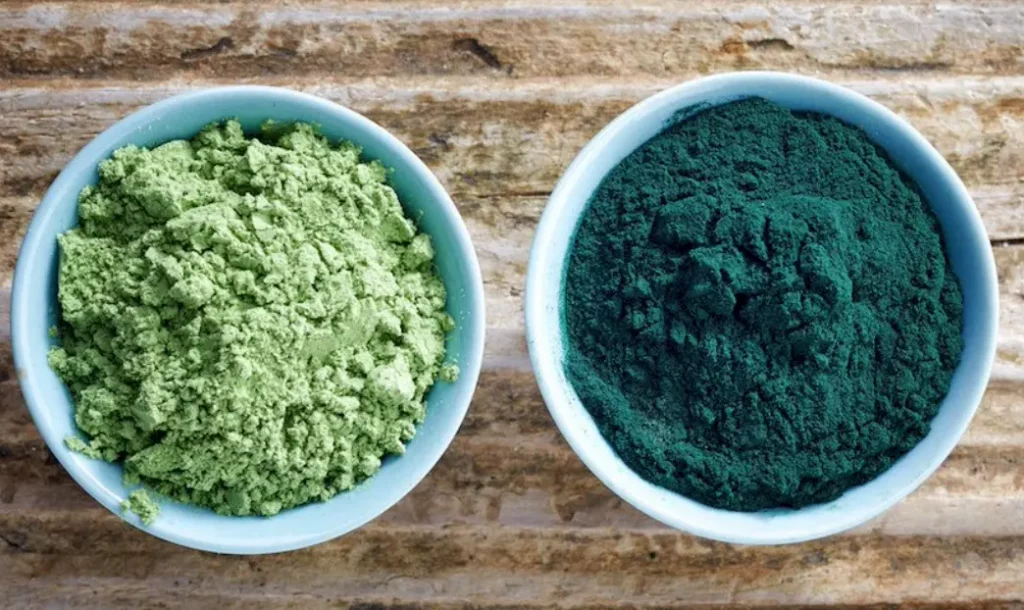
Spirulina vs wheatgrass — two of the most popular green superfood supplements on the market. Both are nutrient-dense, come in powder form, and are associated with a wide range of health benefits. But they are fundamentally different foods with different nutritional profiles, strengths, and best use cases. If you’re choosing between them — or wondering if you need both — this complete spirulina vs wheatgrass comparison will help you decide.
What Is Spirulina?
Spirulina is a blue-green algae (cyanobacterium) that has been consumed for centuries, first by Aztec civilizations harvesting it from Lake Texcoco. Learn about the fascinating history and origin of spirulina. Modern freeze-dried spirulina retains up to 69–74% complete protein alongside phycocyanin, iron, B vitamins, and a full spectrum of antioxidants.
Wheatgrass is the young grass of the wheat plant (Triticum aestivum), harvested before the grain develops. It’s rich in chlorophyll, vitamin K, vitamin C, and digestive enzymes. Importantly, it contains gluten precursors in the seed — though the grass itself is typically considered gluten-free when harvested at the right stage and processed cleanly.
Spirulina vs Wheatgrass: Head-to-Head Nutritional Comparison
Protein dominance: Spirulina contains 60–70g of complete protein per 100g — all 9 essential amino acids, with a biological value rivaling meat. Wheatgrass provides only ~2g of incomplete protein per 100g. For anyone using a superfood to support muscle, recovery, or satiety, spirulina wins decisively. See our full comparison: Spirulina Protein vs Meat.
Iron content: Spirulina delivers ~28mg iron per 100g vs wheatgrass’s 0.6mg — nearly 47x more. For women, vegetarians, or anyone managing iron deficiency, this is a significant advantage. More on this: Spirulina for Iron Deficiency and Anemia.
Phycocyanin — a unique advantage: Spirulina contains phycocyanin, a blue antioxidant pigment with no equivalent in wheatgrass or any other plant food. Phycocyanin has documented anti-inflammatory, neuroprotective, and anti-cancer properties. Wheatgrass simply has no comparable compound.
GLA fatty acids: Spirulina provides gamma-linolenic acid (GLA), an anti-inflammatory omega-6 fatty acid not found in wheatgrass. Learn more about GLA research.
Antioxidant density: Spirulina’s ORAC (antioxidant capacity) score far exceeds wheatgrass, driven by phycocyanin, beta-carotene, and tocopherols. This makes spirulina a top-ranked superfood.
Where Wheatgrass Has an Edge in the Spirulina vs Wheatgrass Debate
Chlorophyll: Wheatgrass is one of the richest sources of chlorophyll available — the green pigment that may support blood detoxification, digestive health, and wound healing. While spirulina does contain chlorophyll, wheatgrass delivers significantly more.
Vitamin K: Wheatgrass provides nearly 7x more vitamin K than spirulina — important for blood clotting and bone density.
Digestive enzymes: Fresh wheatgrass juice contains live enzymes that support digestion. This benefit is largely lost in dried wheatgrass powders, however.
Alkalizing effect: Wheatgrass has a strong alkalizing effect on the body, which some proponents believe helps balance pH and supports detoxification.
Spirulina vs Wheatgrass: Which Is Better for Your Goals?
Choose spirulina if you want: Maximum protein, iron, antioxidants, immune support, athletic performance, brain health, or a complete whole-food supplement with the most comprehensive nutrient profile. Spirulina also shows promise for blood sugar management and cancer research.
Choose wheatgrass if you want: Chlorophyll support, vitamin K, digestive enzyme activity (from fresh juice), or a strong alkalizing effect.
Use both if: You want comprehensive green nutrition — spirulina as your daily protein-antioxidant foundation, and wheatgrass as a chlorophyll and digestive complement. Spirulina also works as a prebiotic to support gut health.
Processing Quality Matters in Spirulina vs Wheatgrass
With both supplements, processing method is critical. Spray-dried spirulina loses significant phycocyanin, protein quality, and heat-sensitive vitamins. Freeze-dried spirulina retains the full nutrient profile. Similarly, fresh wheatgrass juice is nutritionally superior to dried wheatgrass powders.
For spirulina, freeze-dried is the gold standard — and it’s what Royal Spirulina exclusively uses. Be aware of potential detox symptoms when starting either supplement. Learn how to use spirulina powder for best results.
Frequently Asked Questions About Spirulina vs Wheatgrass
Is spirulina better than wheatgrass?
For most health goals — protein, iron, antioxidants, immune support, and brain health — spirulina is nutritionally superior. Wheatgrass has advantages in chlorophyll and vitamin K. The best choice depends on your specific health goals.
Can I take spirulina and wheatgrass together?
Yes, they complement each other well. Spirulina provides protein, iron, phycocyanin, and B vitamins, while wheatgrass adds chlorophyll, vitamin K, and alkalizing compounds. Many health enthusiasts use both in morning smoothies. See our spirulina recipes for ideas.
Which is better for weight loss, spirulina or wheatgrass?
Spirulina has stronger evidence for weight management. Its high protein content supports satiety and muscle maintenance, and studies have shown reductions in BMI and waist circumference with spirulina supplementation. Wheatgrass is very low calorie but lacks appetite-regulating protein.
Is spirulina or wheatgrass better for detox?
Both support detoxification through different mechanisms. Spirulina binds heavy metals (mercury, lead, arsenic) and supports liver function — see spirulina heavy metal detox. Wheatgrass’s chlorophyll may aid blood and digestive detox. For heavy metal chelation specifically, spirulina has the stronger clinical evidence.
Freeze-dried, USA-grown spirulina delivers the highest nutrient density. Royal Spirulina is freeze-dried, independently rated #1 by Goodnature.com, with lab-verified 69–74% protein content.
The Verdict: Spirulina Is the More Complete Superfood
For sheer nutritional breadth, protein content, iron, antioxidant power, and research-backed health benefits, spirulina wins the spirulina vs wheatgrass comparison. Royal Spirulina is the gold standard — freeze-dried, USA-grown, and rated #1.





Recent Comments