
by Paul | Mar 4, 2023 | Spirulina blog
Spirulina for Pets: Health Benefits for Dogs, Cats & Horses (2026)
Spirulina’s reputation as a nutritional powerhouse for humans is well established — but what about your pets? The same nutrient density that makes spirulina one of the most researched superfoods for people also makes it a compelling natural supplement for dogs, cats, and horses. Veterinary researchers have begun studying spirulina’s effects on animal health with promising results, and many pet owners are incorporating it into their animals’ daily routines.
Here’s what the research shows about spirulina for pets, which animals benefit most, and how to use it safely.
What Makes Spirulina Beneficial for Pets?
Spirulina provides a dense nutritional package in a very small amount — something particularly valuable for pets, where palatability and dosage convenience matter:
- 60–70% complete protein with all essential amino acids for tissue repair and muscle maintenance
- Phycocyanin — a potent anti-inflammatory and antioxidant compound
- Iron, magnesium, zinc, and B vitamins supporting energy, immunity, and metabolic health
- GLA (gamma-linolenic acid) — an essential fatty acid supporting skin, coat, and inflammatory response
- Beta-carotene for eye health and immune function
These nutrients support the same biological systems in pets as they do in humans, making spirulina one of the most cross-species applicable natural supplements available.
Spirulina Benefits for Dogs
Immune System Support
Spirulina is rich in phycocyanin and beta-carotene, both of which enhance immune cell activity. For dogs prone to allergies, infections, or immune challenges, daily spirulina may help prime their immune defenses. Research in companion animals suggests spirulina can reduce histamine release and allergy symptom severity.
Skin and Coat Health
Spirulina’s combination of GLA (an omega-6 fatty acid), vitamin A, and zinc supports healthy skin barrier function and coat quality. Dog owners frequently report improvements in coat shine, reduced dry skin, and less shedding after consistent spirulina supplementation.
Joint and Inflammation Support
Phycocyanin inhibits key inflammatory pathways (COX-2 and NF-κB) that contribute to joint pain and arthritis. For aging dogs or breeds prone to joint issues, spirulina’s natural anti-inflammatory properties may complement veterinary joint care.
Digestive Health
Spirulina contains polysaccharides that act as prebiotics, supporting the growth of beneficial gut bacteria. A healthy gut microbiome is increasingly linked to overall immune function, mood, and metabolic health in dogs.
Suggested dosage for dogs:
- Small dogs (<20 lbs): ¼ tsp spirulina powder daily
- Medium dogs (20–60 lbs): ½ tsp daily
- Large dogs (>60 lbs): 1 tsp daily
Mix into food. Always introduce gradually over 1–2 weeks and consult your veterinarian.
Spirulina Benefits for Cats
Cats have unique nutritional requirements as obligate carnivores, but spirulina’s highly bioavailable complete protein and anti-inflammatory compounds translate well to feline biology.
Immune and allergy support: Similar to dogs, spirulina may help modulate feline immune responses and reduce chronic low-grade inflammation.
Coat quality: GLA and vitamin A support skin hydration and coat luster in cats.
Senior cat support: Spirulina’s antioxidant profile helps combat the oxidative stress that accelerates aging in senior cats.
Suggested dosage for cats: ⅛–¼ tsp spirulina powder daily, mixed into wet food. Start with a very small amount as cats can be sensitive to new flavors.
Spirulina Benefits for Horses

Horses have been the subject of some of the more rigorous animal research on spirulina, with encouraging results:
A study published in the Journal of Animal Science found that spirulina supplementation improved growth rate, feed conversion ratio, and nutrient digestibility in young horses, suggesting meaningful support for development and athletic conditioning.
A study in the Journal of Equine Veterinary Science found that spirulina improved immune system function and reduced inflammatory markers in horses, with researchers noting potential benefits for reducing the risk of inflammatory conditions including airway disease common in performance horses.
Suggested dosage for horses: 20–40g (approximately 7–14 tsp) spirulina powder daily, divided between feedings and mixed into feed.
Choosing the Right Spirulina for Your Pet
For pets, spirulina quality is even more important than it is for humans — because animals often cannot tolerate the contaminants found in low-quality, imported spirulina. Spirulina grown in uncontrolled environments can contain heavy metals, harmful bacteria, and microcystins (toxins from cyanobacteria contamination).
Royal Spirulina is USA-grown, freeze-dried, and third-party lab tested for purity — the same high standard that makes it safe and effective for people. Why freeze-dried matters for nutrient preservation.
Frequently Asked Questions
Is spirulina safe for dogs?
Yes. High-quality, contaminant-free spirulina is safe for dogs and well-tolerated. It should be introduced gradually and dosed appropriately by weight. Always choose USA-grown, lab-tested spirulina and consult your vet if your dog has existing health conditions.
Can cats eat spirulina?
Yes. Small amounts of high-quality spirulina are safe for cats. Start with a very small dose (⅛ tsp) mixed into wet food and monitor for any sensitivity. Cats tend to be flavor-selective, so mixing with a palatable food helps.
How much spirulina should I give my dog?
A general guideline: ¼ tsp for small dogs, ½ tsp for medium dogs, and 1 tsp for large dogs, mixed into food daily. Introduce over 1–2 weeks. Consult your veterinarian for dogs with health conditions.
Can spirulina help with dog allergies?
Yes. Spirulina has demonstrated anti-histamine properties and may help reduce allergy symptom severity in dogs. Phycocyanin’s anti-inflammatory effects may also help with skin reactions and itching associated with allergies.
Is spirulina good for horses?
Clinical studies show spirulina improves feed conversion, growth, immune function, and reduces inflammatory markers in horses. It’s particularly relevant for performance horses and those with respiratory or joint challenges.
What type of spirulina is best for pets?
Freeze-dried, USA-grown spirulina tested for heavy metals and microcystin contamination. Avoid cheap, imported spirulina powder with no third-party testing. Royal Spirulina meets all these standards.
Give Your Pet the Same Quality You Trust for Yourself
Royal Spirulina is freeze-dried, USA-grown, and lab-tested for purity — safe and effective for the whole family, including your pets.
→ Shop Royal Spirulina Now

by Paul | Mar 3, 2023 | Spirulina blog
Spirulina Protein vs Meat: Which Is the Better Protein Source? (2026)

Protein is the most talked-about macronutrient — and for good reason. It builds muscle, repairs tissue, produces enzymes, and keeps you full. Most people default to meat as their primary protein source. But spirulina — a freeze-dried blue-green algae — offers a protein profile that rivals, and in several key ways surpasses, traditional animal protein. Whether you’re vegan, flexitarian, or just protein-curious, here’s the complete spirulina protein vs meat breakdown.
Protein Content: Spirulina Wins by a Landslide
When measured by weight, spirulina contains 60–70% protein — making it one of the most protein-dense foods on Earth. Compare that to common meat sources:
| Food Source |
Protein per 100g |
Fat per 100g |
Cholesterol |
| Spirulina (freeze-dried) |
60–70g |
~3g |
None |
| Chicken breast |
~31g |
~3.6g |
85mg |
| Lean beef (sirloin) |
~26g |
~8g |
89mg |
| Salmon |
~25g |
~13g |
63mg |
| Eggs |
~13g |
~10g |
372mg |
Spirulina’s protein density is 2–3x higher than most meats by weight. Of course, you typically eat spirulina in smaller quantities (1–3 tsp / 3–9g per serving), but even at those doses you’re getting a meaningful protein contribution alongside a cascade of other nutrients.
Complete Protein: Both Qualify, But Spirulina Surprises
A complete protein contains all 9 essential amino acids the body can’t produce on its own. Meat is a well-known complete protein. What surprises many people: spirulina is also a complete protein, with all 9 essential amino acids present in meaningful amounts.
Spirulina is particularly rich in leucine, valine, and isoleucine — the branched-chain amino acids (BCAAs) critical for muscle protein synthesis and recovery. This makes it especially relevant for athletes and active individuals looking for plant-based performance nutrition.
Bioavailability: Plant-Based Protein Done Right
Meat protein has a high biological value (BV) — it’s well-absorbed by the body. Spirulina’s protein has a BV of approximately 83-85%, comparable to meat and significantly higher than most other plant proteins like legumes (~50-60%) or wheat (~57%).
One reason: spirulina has no cell wall made of cellulose (unlike most plant foods), which means your digestive enzymes can access its nutrients directly and efficiently. For people with digestive sensitivities, this makes spirulina an exceptionally easy-to-absorb protein source.
The Health Advantages Spirulina Has Over Meat
Beyond raw protein content, spirulina carries a nutritional package that animal protein simply can’t match:
Zero cholesterol: Unlike meat, spirulina contains no dietary cholesterol, making it ideal for those managing cardiovascular health. For a full overview of spirulina’s health benefits beyond protein, see: Spirulina Health Benefits: 8 Science-Backed Reasons to Take It Daily.
Anti-inflammatory antioxidants: Phycocyanin — the blue pigment unique to spirulina — is a powerful antioxidant and anti-inflammatory compound with no equivalent in meat. Learn more about phycocyanin’s health benefits here.
Rich in B vitamins and iron: Spirulina provides iron, B1, B2, B3, and a plant form of B12, supporting energy production alongside its protein content. For more on spirulina’s iron content, see: Spirulina for Iron Deficiency and Anemia.
No saturated fat: Meat — particularly red meat — contains significant saturated fat linked to cardiovascular disease. Spirulina derives only ~3% of calories from fat, almost entirely healthy unsaturated fats.
Environmentally sustainable: Spirulina produces up to 20x more protein per acre than beef cattle and requires a fraction of the water, land, and energy. For the eco-conscious, this matters.
Spirulina vs Other Plant Proteins
If you’re comparing plant protein sources, spirulina stands apart from other options. Soy is the most commonly discussed plant protein alternative to meat, but it comes with concerns around phytoestrogens, heavy processing, and anti-nutrients. See how they compare: Soy vs Spirulina: Which Is the Better Plant Protein?
Where Meat Still Has an Edge
Fairness matters here. Meat protein does have certain advantages:
Heme iron from meat is more bioavailable than the non-heme iron in spirulina. Creatine, found naturally in meat, supports short-burst athletic performance and isn’t present in spirulina. And for sheer caloric protein density in a single meal, a chicken breast provides more total grams of protein per sitting than a typical spirulina serving.
The smart approach: use spirulina to supercharge your nutrition daily while maintaining a balanced, whole-food diet — rather than viewing it as an either/or choice.
Why Freeze-Dried Spirulina Gives You More Protein Per Gram
Processing method significantly affects spirulina’s nutritional value. Standard spray-drying uses high heat that degrades heat-sensitive proteins and amino acids. Freeze-drying preserves the full amino acid profile by removing moisture at sub-zero temperatures, ensuring every gram of Royal Spirulina delivers maximum protein potency.
For more ways to incorporate spirulina protein into your daily routine, see: How to Use Spirulina Powder: 10 Easy Methods for Maximum Benefits.
Frequently Asked Questions
Is spirulina a complete protein like meat?
Yes. Spirulina contains all 9 essential amino acids, making it a complete protein comparable to meat. It is particularly rich in branched-chain amino acids (BCAAs) important for muscle building and recovery.
How does spirulina protein compare to chicken?
By weight, spirulina contains 60–70g protein per 100g vs ~31g for chicken breast — more than double. Spirulina also has zero cholesterol and minimal fat compared to chicken’s 85mg cholesterol and 3.6g fat per 100g.
Can spirulina replace meat protein?
Spirulina can meaningfully supplement or partially replace meat protein, particularly for vegans and vegetarians. For full replacement in an athletic or high-protein diet, combining spirulina with other plant proteins (lentils, hemp, peas) ensures adequate total protein intake.
Is spirulina protein good for building muscle?
Yes. Spirulina is rich in BCAAs — especially leucine — which directly stimulate muscle protein synthesis. Several studies have shown improved muscle strength and endurance markers with spirulina supplementation.
How much spirulina do I need to match a protein serving from meat?
A 3oz chicken breast provides ~26g protein. To match that from spirulina alone, you’d need approximately 40-43g of spirulina — about 14 teaspoons. In practice, spirulina is best used as a daily protein boost (3–9g) alongside other protein sources.
Which spirulina has the highest protein content?
Freeze-dried spirulina retains the most protein because it avoids the heat degradation of spray-drying. Royal Spirulina is freeze-dried and USA-grown with a consistently high 60–69% protein content, verified by third-party lab testing.
Related Reading
Add the World’s Most Protein-Dense Superfood to Your Diet
Royal Spirulina packs 60–69% pure protein in every teaspoon — freeze-dried, USA-grown, and rated #1 by Goodnature.com. Your muscles, energy, and overall health will feel the difference.
→ Shop Royal Spirulina Now
by Paul | Mar 3, 2023 | Spirulina blog
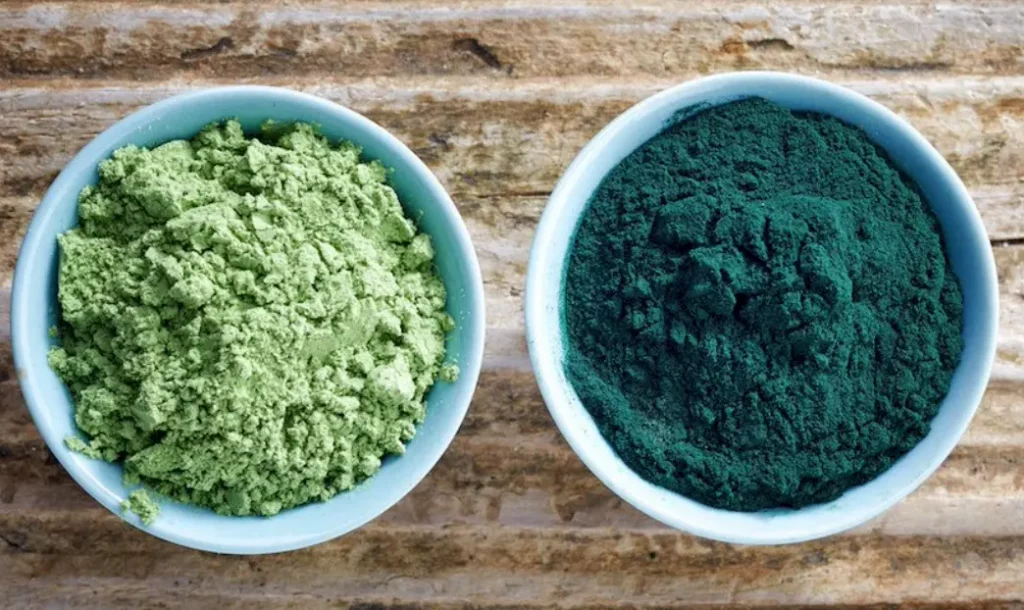
Spirulina vs Wheatgrass: Which Superfood Supplement Wins? (2026)
Spirulina and wheatgrass are two of the most popular green superfood supplements on the market. Both are nutrient-dense, come in powder form, and are associated with a wide range of health benefits. But they are fundamentally different foods with different nutritional profiles, strengths, and best use cases. If you’re choosing between them — or wondering if you need both — this complete comparison will help you decide.
What Is Spirulina?
Spirulina is a blue-green algae (cyanobacterium) that has been consumed for centuries, first by Aztec civilizations harvesting it from Lake Texcoco and later popularized globally as one of the most protein-dense foods ever studied. Modern freeze-dried spirulina retains up to 69–74% complete protein alongside phycocyanin, iron, B vitamins, and a full spectrum of antioxidants.
Royal Spirulina is grown in the USA using a controlled freeze-drying process — not spray-dried or imported — independently rated #1 by Goodnature.com. View our third-party lab results here.
What Is Wheatgrass?
Wheatgrass is the young grass of the wheat plant (Triticum aestivum), harvested before the grain develops. It’s rich in chlorophyll, vitamin K, vitamin C, and digestive enzymes. Importantly, it contains gluten precursors in the seed — though the grass itself is typically considered gluten-free when harvested at the right stage and processed cleanly.
Head-to-Head Nutritional Comparison
| Nutrient (per 100g) |
Spirulina |
Wheatgrass |
Winner |
| Protein |
57–70g |
2.2g |
🏆 Spirulina |
| Iron |
28mg |
0.6mg |
🏆 Spirulina |
| Vitamin A |
68,000 IU |
1,458 IU |
🏆 Spirulina |
| Magnesium |
195mg |
22mg |
🏆 Spirulina |
| Potassium |
1,363mg |
218mg |
🏆 Spirulina |
| B Vitamins (B1, B2, B3) |
High |
Low |
🏆 Spirulina |
| Vitamin K |
25.5mcg |
176.9mcg |
🏆 Wheatgrass |
| Vitamin C |
10.1mg |
17mg |
🏆 Wheatgrass |
| Chlorophyll |
Low |
Very High |
🏆 Wheatgrass |
| Phycocyanin |
High (unique) |
None |
🏆 Spirulina |
| Complete Protein |
Yes (all 9 EAAs) |
No |
🏆 Spirulina |
Where Spirulina Clearly Wins
Protein dominance: Spirulina contains 60–70g of complete protein per 100g — all 9 essential amino acids, with a biological value rivaling meat. Wheatgrass provides only ~2g of incomplete protein per 100g. For anyone using a superfood to support muscle, recovery, or satiety, spirulina wins decisively. See our full comparison: Spirulina Protein vs Meat.
Iron content: Spirulina delivers ~28mg iron per 100g vs wheatgrass’s 0.6mg — nearly 47x more. For women, vegetarians, or anyone managing iron deficiency, this is a significant advantage. More on this: Spirulina for Iron Deficiency and Anemia.
Phycocyanin — a unique advantage: Spirulina contains phycocyanin, a blue antioxidant pigment with no equivalent in wheatgrass or any other plant food. Phycocyanin has documented anti-inflammatory, neuroprotective, and anti-cancer properties. Wheatgrass simply has no comparable compound. Learn more: Phycocyanin and Cancer Research.
Antioxidant density: Spirulina’s ORAC (antioxidant capacity) score far exceeds wheatgrass, driven by phycocyanin, beta-carotene, and tocopherols.
Where Wheatgrass Has an Edge
Chlorophyll: Wheatgrass is one of the richest sources of chlorophyll available — the green pigment that may support blood detoxification, digestive health, and wound healing. While spirulina does contain chlorophyll, wheatgrass delivers significantly more.
Vitamin K: Wheatgrass provides nearly 7x more vitamin K than spirulina — important for blood clotting and bone density.
Digestive enzymes: Fresh wheatgrass juice contains live enzymes that support digestion. This benefit is largely lost in dried wheatgrass powders, however.
Alkalizing effect: Wheatgrass has a strong alkalizing effect on the body, which some proponents believe helps balance pH and supports detoxification.
Which Is Better for Your Goals?
Choose spirulina if you want: Maximum protein, iron, antioxidants, immune support, athletic performance, brain health, or a complete whole-food supplement with the most comprehensive nutrient profile.
Choose wheatgrass if you want: Chlorophyll support, vitamin K, digestive enzyme activity (from fresh juice), or a strong alkalizing effect.
Use both if: You want comprehensive green nutrition — spirulina as your daily protein-antioxidant foundation, and wheatgrass as a chlorophyll and digestive complement.
A Note on Processing Quality
With both supplements, processing method is critical. Spray-dried spirulina loses significant phycocyanin, protein quality, and heat-sensitive vitamins. Freeze-dried spirulina retains the full nutrient profile. Similarly, fresh wheatgrass juice is nutritionally superior to dried wheatgrass powders.
For spirulina, freeze-dried is the gold standard — and it’s what Royal Spirulina exclusively uses.
Frequently Asked Questions
Is spirulina better than wheatgrass?
For most health goals — protein, iron, antioxidants, immune support, and brain health — spirulina is nutritionally superior. Wheatgrass has advantages in chlorophyll and vitamin K. The best choice depends on your specific health goals.
Can I take spirulina and wheatgrass together?
Yes, they complement each other well. Spirulina provides protein, iron, phycocyanin, and B vitamins, while wheatgrass adds chlorophyll, vitamin K, and alkalizing compounds. Many health enthusiasts use both in morning smoothies or green drinks.
Which is better for weight loss, spirulina or wheatgrass?
Spirulina has stronger evidence for weight management. Its high protein content supports satiety and muscle maintenance, and studies have shown reductions in BMI and waist circumference with spirulina supplementation. Wheatgrass is very low calorie but lacks appetite-regulating protein.
Is spirulina or wheatgrass better for detox?
Both support detoxification through different mechanisms. Spirulina binds heavy metals (mercury, lead, arsenic) and supports liver function. Wheatgrass’s chlorophyll may aid blood and digestive detox. For heavy metal chelation specifically, spirulina has the stronger clinical evidence.
Which tastes better — spirulina or wheatgrass?
Both have strong green flavors. Wheatgrass has a fresh, grassy taste. Spirulina has an oceanic, earthy flavor. Most people find both blend well into smoothies with fruit. See our guide: How to Use Spirulina Powder.
Which spirulina is highest quality?
Freeze-dried, USA-grown spirulina delivers the highest nutrient density. Royal Spirulina is freeze-dried, independently rated #1 by Goodnature.com, with lab-verified 69–74% protein content.
The Verdict: Spirulina Is the More Complete Superfood
For sheer nutritional breadth, protein content, iron, antioxidant power, and research-backed health benefits, spirulina wins the spirulina vs wheatgrass comparison. Royal Spirulina is the gold standard — freeze-dried, USA-grown, and rated #1.
→ Shop Royal Spirulina Now

by Paul | Mar 1, 2023 | Spirulina blog
Soy vs Spirulina: Which Is the Better Plant Protein? (2026)

Soy has dominated the plant protein conversation for decades — appearing in protein powders, meat substitutes, tofu, soy milk, and countless processed foods. But a growing body of research has raised legitimate questions about soy’s safety and nutritional completeness, while spirulina has emerged as a compelling alternative with a cleaner profile and superior nutrient density. Here’s a clear-eyed comparison of both.
The Case for Soy: What It Does Well
Soy deserves credit where it’s due. It is one of the few plant foods that provides complete protein (all 9 essential amino acids), and it has a well-studied nutritional profile with documented cardiovascular benefits in some populations. Isoflavones in soy have been associated with modest cholesterol reduction in clinical trials, and fermented soy products like miso and tempeh provide probiotic benefits alongside their protein content.
Soy is also inexpensive and widely available, making it a practical protein source for plant-based diets.
The Case Against Processed Soy
The critical distinction is between whole, minimally processed soy (edamame, tempeh, miso) and heavily processed soy products (soy protein isolate, soy milk, textured soy protein, soy-based meat substitutes). Most soy consumed in the modern Western diet falls into the processed category — and the processing introduces several legitimate concerns:
Anti-nutrients: Raw soybeans contain significant levels of phytic acid, which binds to minerals (calcium, iron, zinc, magnesium) and reduces their absorption. Trypsin inhibitors interfere with protein digestion. While cooking reduces these, processing methods used for soy protein isolate do not eliminate them fully.
Isoflavone concerns: Soy isoflavones are phytoestrogens — compounds that weakly mimic estrogen in the body. Research on their effects is mixed: some studies suggest benefits for postmenopausal women, while others raise concerns about thyroid function (particularly for people with hypothyroidism), fertility, and hormonal balance with very high intake.
Heavy processing: Soy protein isolate — used in most protein powders and processed soy foods — undergoes acid washing, alkaline treatment, and spray-drying at high temperatures. Flavorings, emulsifiers, and synthetic nutrients are added to make the result palatable. This is not a minimally processed whole food.
GMO prevalence: Over 90% of soybeans grown in the United States are genetically modified. While GMO safety for human consumption is considered established by major scientific bodies, consumers with preferences for non-GMO foods face significant challenges with soy-based products.
Thyroid effects: Several studies have documented that soy isoflavones can interfere with thyroid hormone synthesis and reduce thyroid peroxidase activity, particularly in people with marginal iodine status or existing thyroid conditions. A 1991 Japanese study found that consuming just 30g of soybeans daily for one month caused hypothyroidism and goiter in some participants.
Spirulina: A Cleaner Plant Protein Alternative
Spirulina compares favorably to soy on nearly every dimension that matters for health-conscious consumers:
| Property |
Spirulina |
Soy Protein Isolate |
| Protein content |
60–70% complete protein |
~90% protein (isolated) |
| Amino acid profile |
All 9 essential AAs |
All 9 essential AAs |
| Processing |
Minimal (freeze-dried) |
Heavy chemical processing |
| Anti-nutrients |
None significant |
Phytic acid, trypsin inhibitors |
| Hormonal effects |
None |
Estrogenic isoflavones |
| GMO concern |
None (algae) |
90%+ GMO in US |
| Thyroid effects |
None documented |
May suppress thyroid function |
| Additional nutrients |
Phycocyanin, iron, B vitamins, GLA |
Minimal beyond protein |
| Additives |
None (pure food) |
Flavors, emulsifiers, fillers |
Spirulina doesn’t just deliver protein — it delivers complete nutrition in a minimally processed, whole-food form. Every serving also provides iron, B vitamins, beta-carotene, GLA, and phycocyanin — none of which are present in soy protein isolate.
For more context on spirulina’s protein superiority: Spirulina Protein vs Meat.
When Soy Can Still Work
Minimally processed soy — particularly fermented soy — sidesteps many of the concerns above. Miso and tempeh undergo long fermentation processes that significantly reduce phytic acid and trypsin inhibitors, improve protein bioavailability, and add probiotic benefits. Traditional Japanese diets that include moderate amounts of fermented soy have excellent longevity and cardiovascular health outcomes.
The concern is not soy in all forms. It’s the heavy reliance on processed soy protein as a health food, which the evidence does not fully support.
The Bottom Line
For people seeking a clean, minimally processed, complete plant protein with broad nutritional benefits and no hormonal concerns, spirulina is the superior choice. It provides everything soy protein offers — complete amino acids, plant-based nutrition — without the processing baggage, anti-nutrients, phytoestrogens, or GMO concerns.
Frequently Asked Questions
Is spirulina better than soy protein?
For most health goals, yes. Spirulina provides complete protein without phytoestrogens, anti-nutrients, heavy processing, or GMO concerns. It also delivers iron, B vitamins, phycocyanin, and GLA that soy protein isolate lacks entirely.
Does soy affect hormones?
Soy contains isoflavones (phytoestrogens) that weakly mimic estrogen. Research on their effects is mixed — they may benefit postmenopausal women in moderation but can suppress thyroid function and affect hormonal balance at high intake, particularly in people with thyroid conditions.
Is soy protein bad for you?
Whole and fermented soy (edamame, tempeh, miso) is generally considered safe in moderate amounts. Heavily processed soy protein isolate raises more concerns due to anti-nutrients, phytoestrogens, chemical processing, and additives. Replacing it with spirulina provides a cleaner nutritional profile.
Can vegans use spirulina instead of soy?
Absolutely. Spirulina is an excellent vegan protein source providing all 9 essential amino acids at 60–70% protein by weight. It also provides plant-based iron, B12 (in limited amounts), and complete nutrition that many vegan diets struggle to obtain.
What’s the best way to take spirulina as a protein source?
Mix 1–2 teaspoons of freeze-dried spirulina powder into smoothies, juices, or water daily. For higher protein goals, 1–2 tablespoons per day is well-tolerated. See: How to Use Spirulina Powder.
Make the Switch to Cleaner Plant Protein
Royal Spirulina is freeze-dried, USA-grown, and lab-verified at 69–74% complete protein — no processing chemicals, no phytoestrogens, no additives.
→ Shop Royal Spirulina Now
by Paul | Jan 12, 2023 | Spirulina blog
Spirulina GLA Benefits: The Rare Omega-6 Fatty Acid That Fights Inflammation (2026)
Most people know spirulina for its protein content and antioxidants. Fewer know about one of its most therapeutically interesting nutrients: gamma-linolenic acid, or GLA. This rare omega-6 fatty acid is one of the reasons spirulina has documented benefits for skin health, inflammatory conditions, hormonal balance, and even infant development — and it’s found in very few foods in nature.
What Is GLA (Gamma-Linolenic Acid)?
Gamma-linolenic acid is an omega-6 fatty acid, but unlike most omega-6s, it has potent anti-inflammatory effects. The key difference lies in its metabolic pathway: most omega-6 fats convert to arachidonic acid, which promotes inflammation. GLA, by contrast, preferentially converts to DGLA (dihomo-gamma-linolenic acid), which actually inhibits inflammatory pathways and competes with pro-inflammatory compounds.
This makes GLA one of the rare dietary fats that can actively reduce systemic inflammation rather than contribute to it.
Why Spirulina Is One of the Best GLA Sources
GLA is found in only a handful of natural sources:
- Evening primrose oil (~8–10% GLA)
- Borage oil (~20–24% GLA)
- Black currant seed oil (~15–18% GLA)
- Spirulina (~1–1.5g per 100g dry weight)
What makes spirulina’s GLA unique is that it comes packaged with a complete spectrum of complementary nutrients — protein, phycocyanin, iron, B vitamins, and other antioxidants — rather than as an isolated oil. This whole-food context may enhance how the body utilizes it.
For the highest GLA content, freeze-dried processing is essential. Heat-based methods like spray-drying degrade delicate fatty acids including GLA. See why freeze-drying preserves more of spirulina’s active compounds.
GLA and Infant Brain Development
GLA plays a significant role in early human development. Breast milk naturally contains GLA alongside DHA and other essential fatty acids that support the rapid brain, eye, and nervous system development occurring in the first months of life. Research has linked adequate GLA intake during infancy to:
- Improved cognitive development and neural connectivity
- Healthy development of the retina and visual processing pathways
- Modulation of the infant immune system, potentially reducing allergy and asthma risk
- Reduction of inflammatory markers associated with early-onset eczema
For nursing mothers, spirulina offers a way to support GLA status naturally alongside its many other prenatal and postnatal nutritional benefits. Always consult your healthcare provider before supplementing during pregnancy or breastfeeding.
GLA Benefits for Inflammatory Skin Conditions
The evidence for GLA in skin health is among the most well-researched areas of fatty acid research. Clinical studies have demonstrated that GLA supplementation produces measurable improvements in:
Eczema (atopic dermatitis): Multiple controlled trials show GLA reduces itching, inflammation, and overall disease severity. The anti-inflammatory DGLA pathway GLA feeds helps quiet the immune overactivation driving eczema flares.
Skin hydration and barrier function: GLA is incorporated into skin cell membranes and is essential for maintaining the epidermal water barrier. Low GLA status is associated with dry, flaky skin and poor wound healing.
Fine lines and skin aging: Adequate GLA supports skin elasticity and hydration, and some evidence suggests it may reduce the appearance of fine lines by maintaining healthy cell membrane integrity.
GLA and Rheumatoid Arthritis
For people with rheumatoid arthritis and other autoimmune inflammatory conditions, GLA has shown particular promise. Research demonstrates that GLA supplementation can reduce pain scores, morning stiffness, and joint tenderness — effects attributed to its conversion to anti-inflammatory DGLA and resulting reduction of pro-inflammatory eicosanoids.
Spirulina’s combination of GLA and phycocyanin (a separate anti-inflammatory compound) creates a dual mechanism of inflammation control.
Cardiovascular and Hormonal Benefits
Beyond skin and joints, GLA has demonstrated benefits for cardiovascular health and hormonal regulation:
Heart health: GLA contributes to reduced blood pressure, improved cholesterol profiles, and reduced platelet aggregation — all factors in cardiovascular risk reduction. These effects complement spirulina’s independently documented cardiovascular benefits through its iron, potassium, and magnesium content.
Hormonal balance: GLA is involved in prostaglandin synthesis pathways that regulate hormonal signaling. Some research suggests GLA may help reduce PMS symptoms and support healthy hormonal cycles, though more research is needed.
How Much GLA Is in Spirulina?
A standard daily dose of 3–6g of freeze-dried spirulina provides approximately 30–90mg of GLA. While this is lower than therapeutic GLA doses used in some clinical studies (which often use 500–3,000mg from concentrated oils), spirulina’s GLA works synergistically with its other anti-inflammatory compounds — particularly phycocyanin — to deliver meaningful combined anti-inflammatory effects at lower individual doses.
For people interested in maximizing GLA intake, spirulina can be used alongside evening primrose or borage oil supplements for a comprehensive approach.
Frequently Asked Questions
What is GLA and why is it important?
Gamma-linolenic acid (GLA) is a rare omega-6 fatty acid with anti-inflammatory properties. Unlike most omega-6 fats, GLA converts to DGLA which actively inhibits inflammatory pathways. It’s essential for healthy skin, brain development, joint health, and hormonal balance.
Does spirulina contain GLA?
Yes. Spirulina is one of the few whole foods that naturally contains GLA alongside complete protein, iron, phycocyanin, and B vitamins. Freeze-dried spirulina retains more GLA than spray-dried, as heat processing degrades delicate fatty acids.
Is GLA good for eczema?
Clinical evidence supports GLA for reducing eczema severity, itching, and inflammation. GLA feeds an anti-inflammatory metabolic pathway (DGLA) that helps quiet the immune overactivation driving eczema. Spirulina provides GLA alongside phycocyanin for a dual anti-inflammatory approach.
Can nursing mothers take spirulina for GLA?
Spirulina is a natural source of GLA that may help support the fatty acid composition of breast milk. However, consult your healthcare provider before supplementing during pregnancy or breastfeeding to ensure safety and appropriate dosing.
What other foods contain GLA?
GLA is found in evening primrose oil, borage oil, black currant seed oil, and spirulina. It is not widely present in common foods, which is one reason GLA deficiency can be common in people not consuming these specific sources.
How should I take spirulina for GLA benefits?
For skin, joint, and inflammatory benefits, consistent daily use of 3–6g of freeze-dried spirulina is recommended. See our full guide: How to Use Spirulina Powder.
Add GLA to Your Daily Routine
Royal Spirulina is freeze-dried to preserve GLA and all heat-sensitive nutrients — USA-grown, lab-tested, rated #1 by Goodnature.com.
→ Shop Royal Spirulina Now


Recent Comments